
Landmarks
News
Design, impact and community: this is how we lived the 2026 Social Design Distinctions ceremony
Design, impact and community: this is how we lived the 2026 Social Design Distinctions ceremony
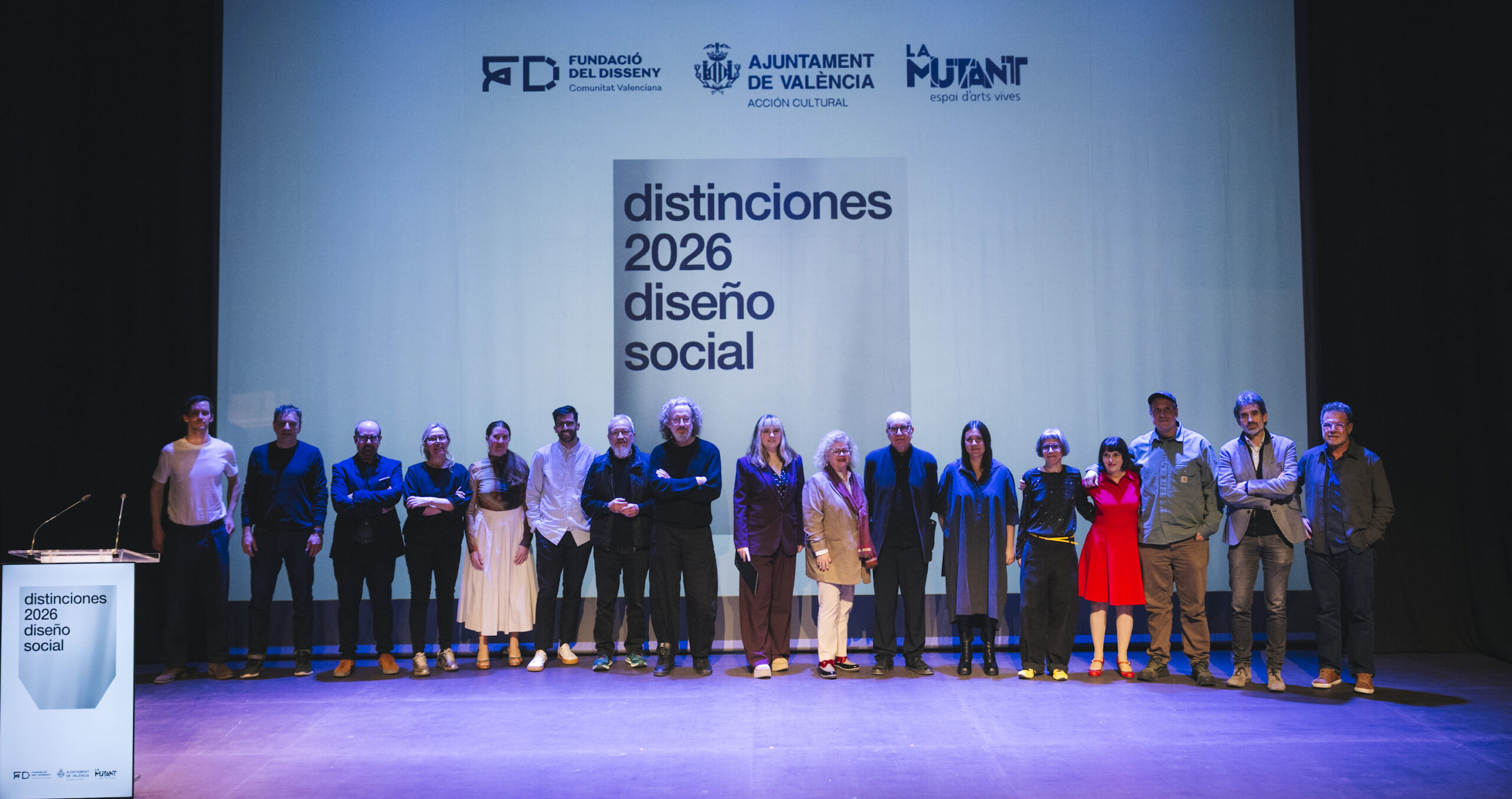
The Design Foundation of the Region of Valencia brought together professionals, institutions and the educational community at La Mutant to celebrate design as a real tool for social transformation.
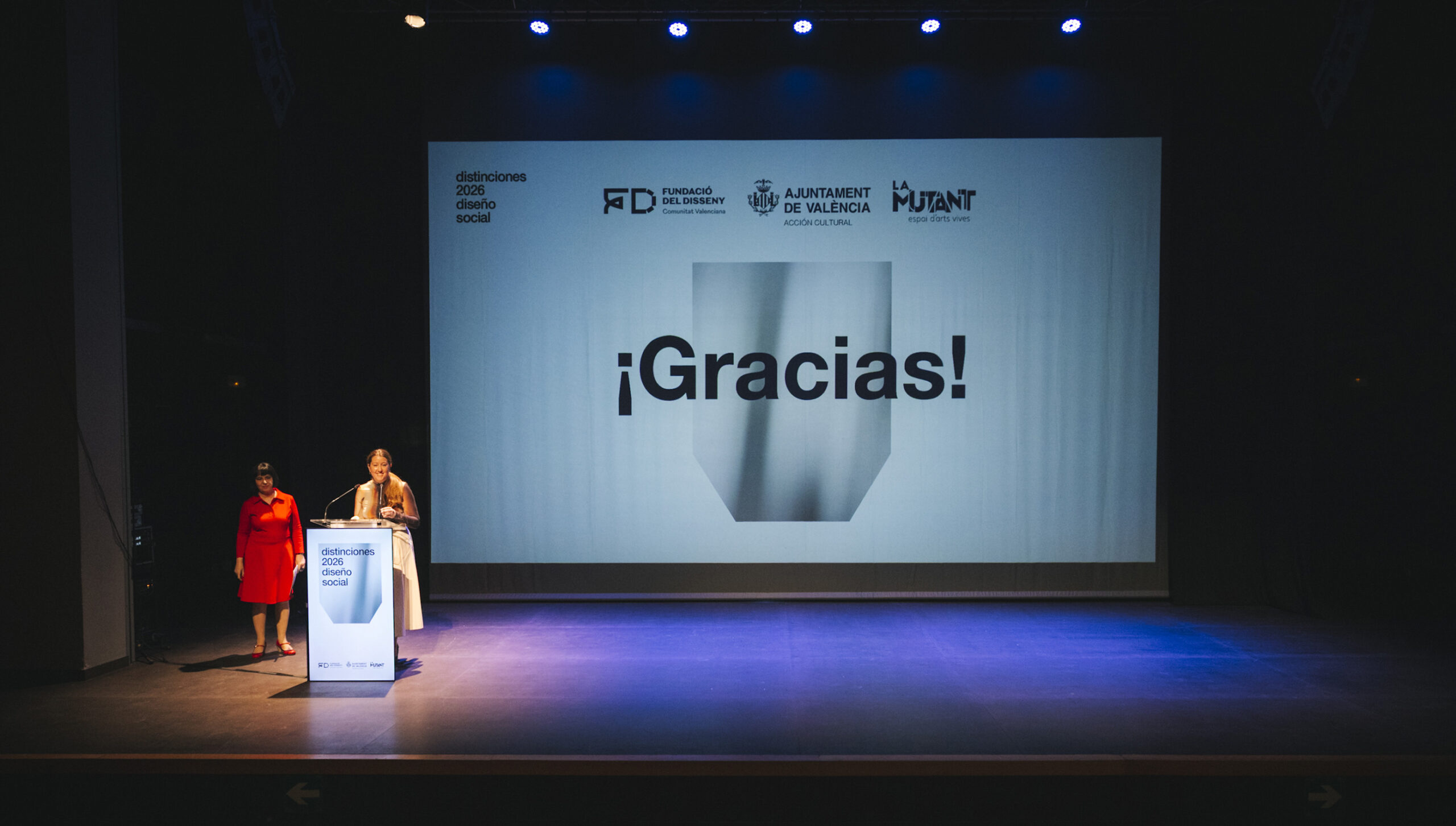
Yesterday, the venue La Mutant hosted the ceremony of the 2026 Social Design Distinctions, organised by the Design Foundation of the Region of Valencia with the collaboration of the Valencia City Council. The event consolidates this annual recognition as a key date in the agenda of Valencian design committed to sustainability, equality and social transformation.
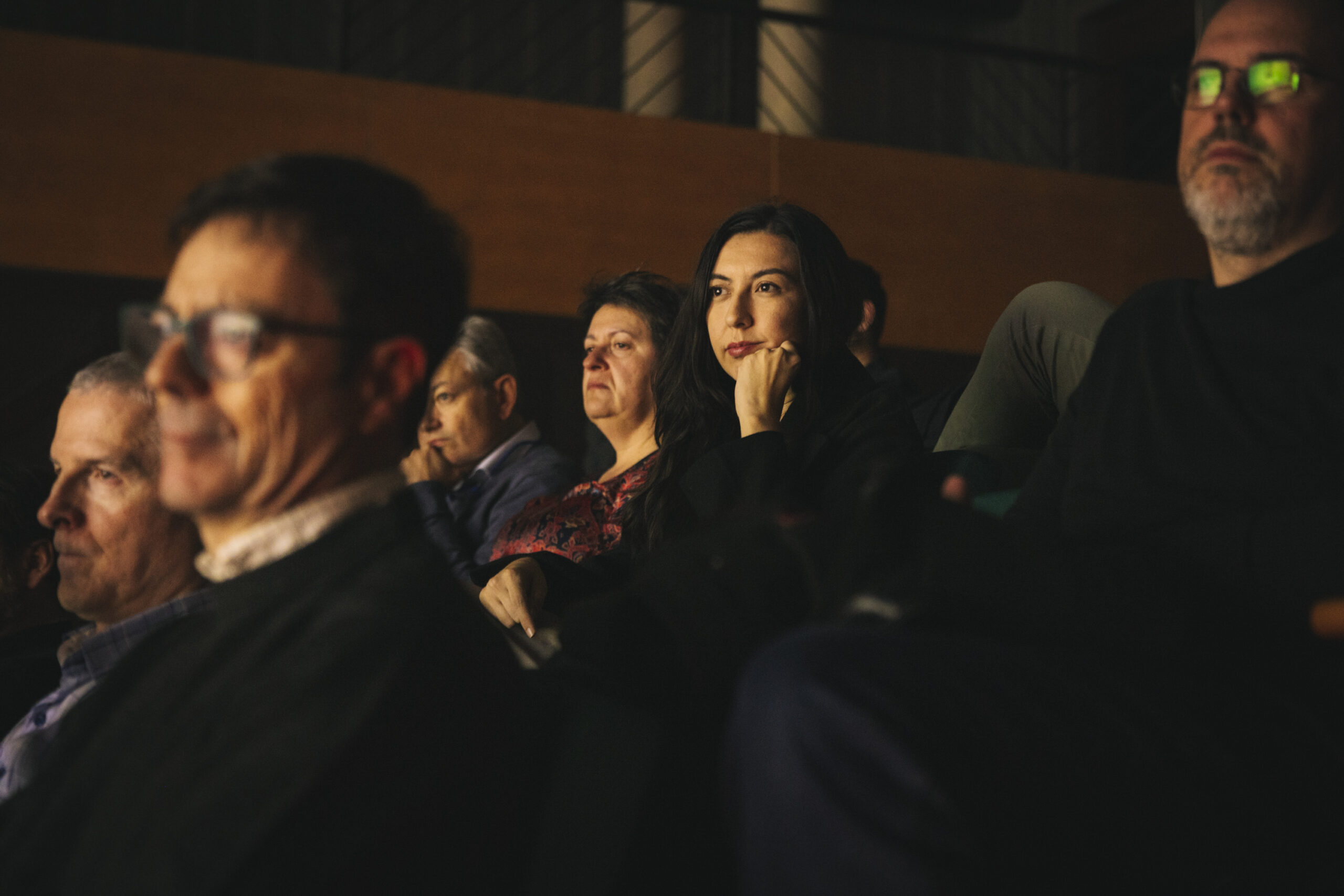
Hosted by the communicator Ona Bascuñán, the event brought together institutional representatives, design professionals, the academic community and citizens (more than two hundred people) in an afternoon that once again highlighted that design is not merely a formal or aesthetic discipline, but a strategic tool at the service of people.
Design understood as a shared responsibility
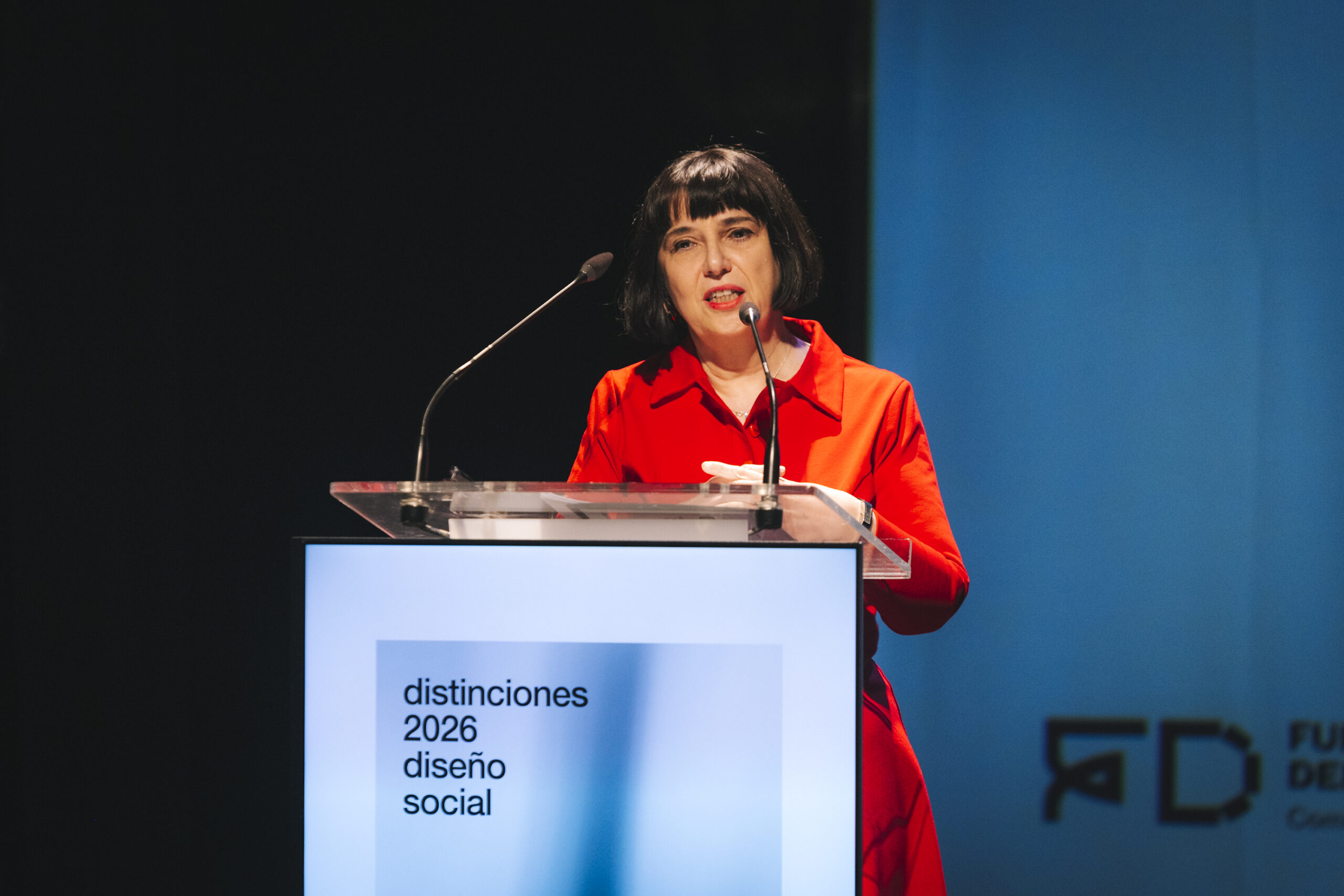
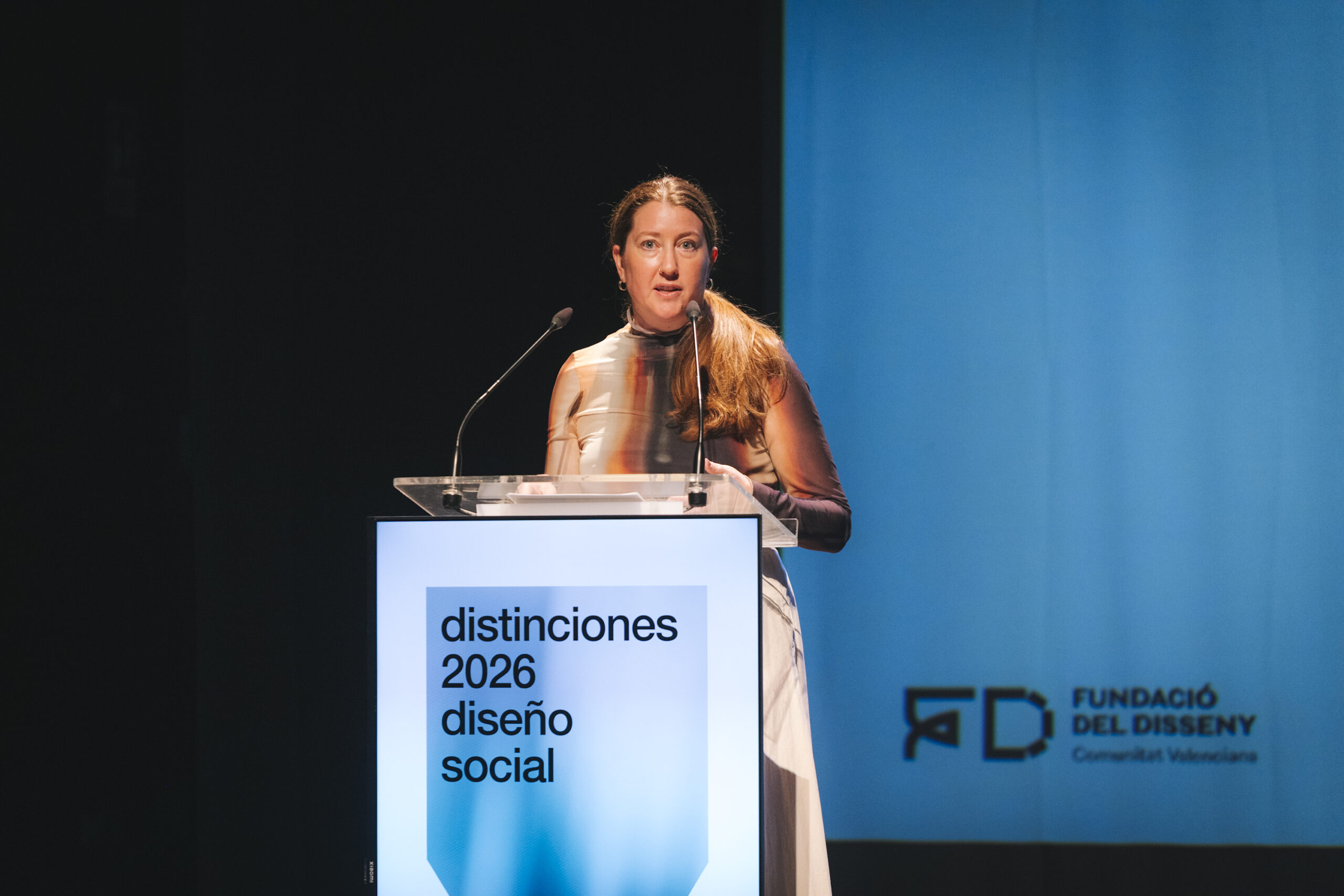
During the opening, Ona Bascuñán noted that these distinctions “are not only a recognition, but also a professional guide and a source of inspiration for society”, placing the focus on the educational dimension of the event.
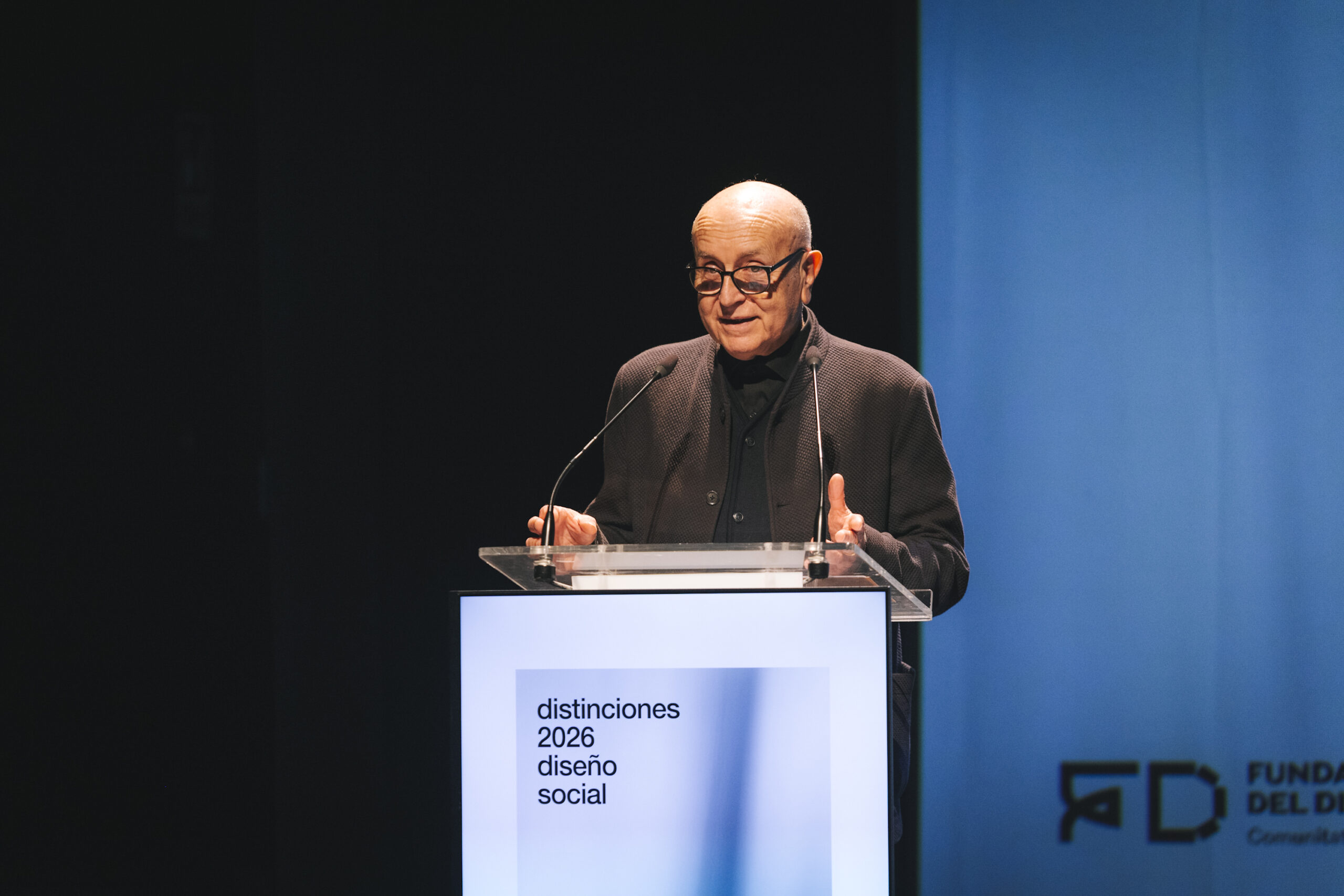
For his part, the President of the Design Foundation, Vicent Martínez, underlined in his institutional address that this second edition confirms that social design “is not an exception within the sector, but an increasingly solid and cross-cutting line of work”. The President defended the role of design as a process, active listening and a methodology capable of responding to today’s social, environmental and economic challenges, while also pausing to highlight the contradiction of giving visibility to social design at a time when the noise of bombs makes the desire for peace more urgent than ever.
The Vice-President of the Design Foundation, Amparo Bertomeu, and the Councillor for Cultural Action, Heritage and Cultural Resources of the Valencia City Council, José Luis Moreno, took part in the presentation of the Distinctions, reinforcing institutional support for an initiative that positions design as a common good and a lever for real transformation.
The jury for this edition, made up of members of the Board of Trustees of the Design Foundation (Vicent Martínez, Amparo Bertomeu, Pepe Cosín, Inma Bermúdez, Kike Correcher and Luis Calabuig) and invited professionals of recognised national and international prestige (Sébastien Hylebos from Designregio Kortrijk, Uqui Permui and Manolo Bañó), deliberated around three main criteria: professional field of action, social impact of the projects, and ability to communicate and promote social design.
Recognition of emerging talent
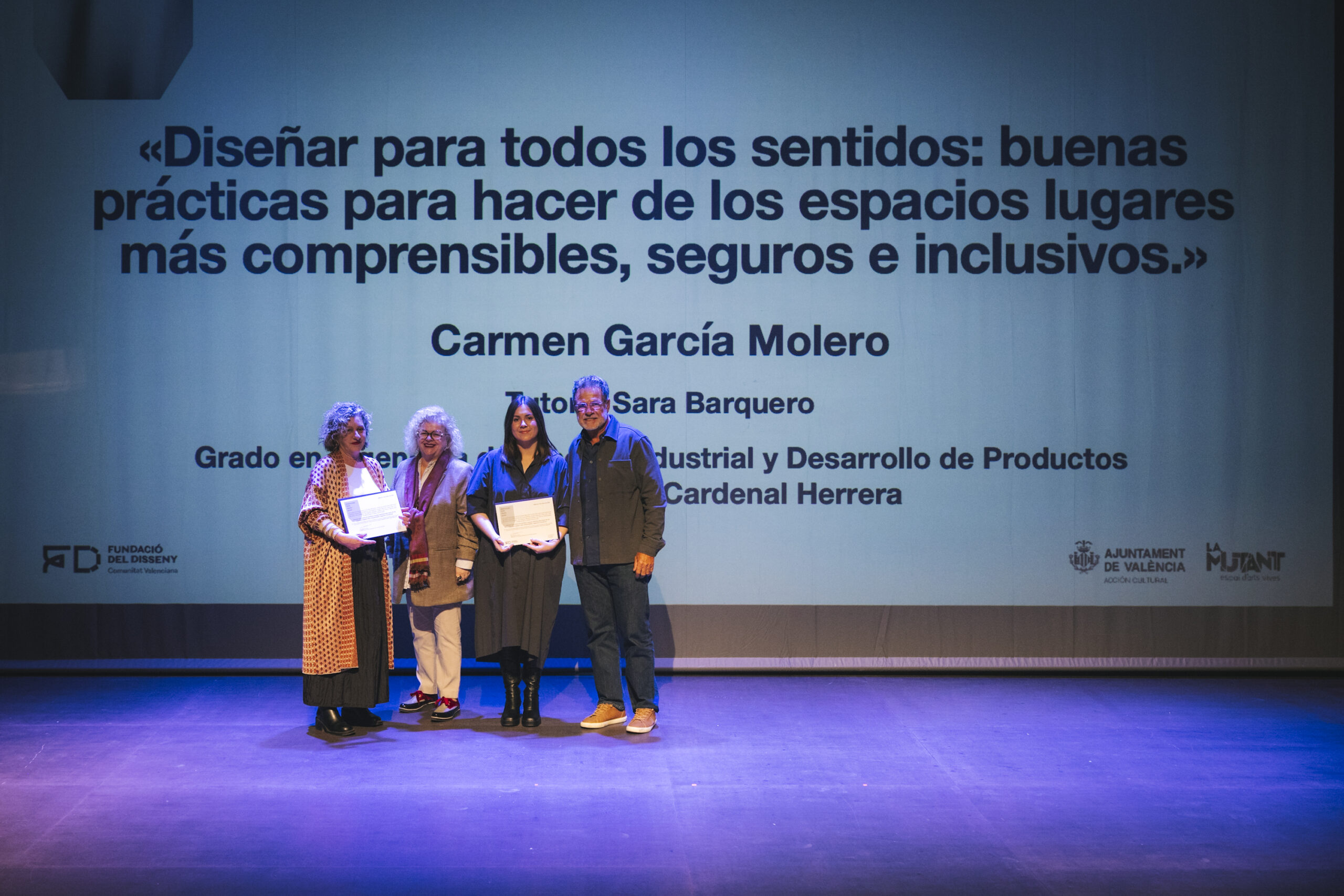
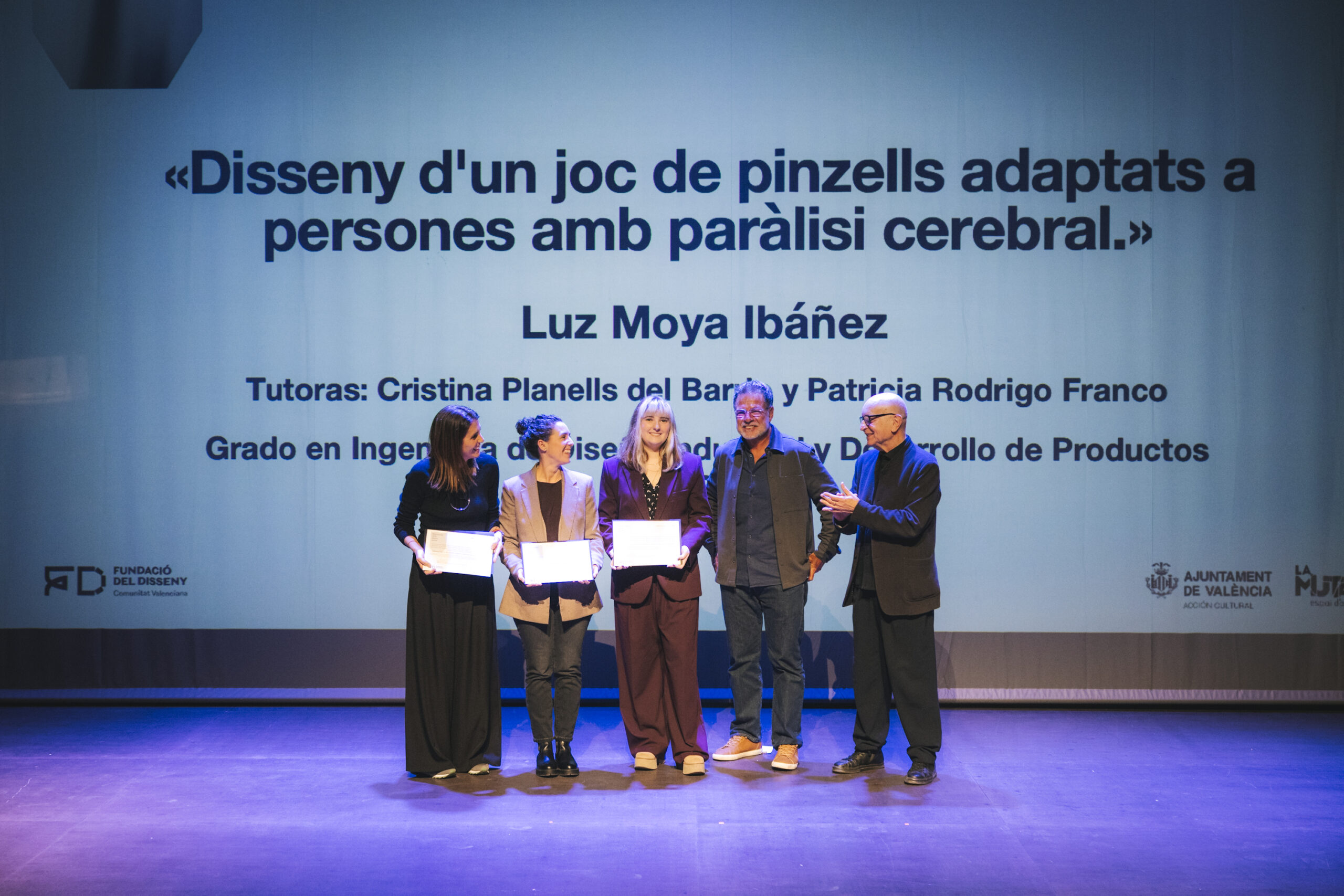
The first part of the ceremony was dedicated to projects by students from the Region of Valencia, highlighting the commitment of schools and universities to training designers with social awareness. Manolo Bañó, recipient of the 2025 Professional Distinction, took to the stage to join Amparo Bertomeu and Vicent Martínez in presenting diplomas to the students and their tutors representing the schools.
This year, the Final Degree Project «Designing for all the senses: good practices to make spaces more understandable, safe and inclusive», by Carmen García Molero, supervised by Sara Barquero (Higher School of Technical Studies of the CEU Cardenal Herrera University), was recognised. The project is a practical visual accessibility manual validated by professionals and users that integrates visual, tactile and sound resources from the perspective of universal design.
Likewise, the project «Design of a set of brushes adapted for people with cerebral palsy», by Luz Moya Ibáñez (Higher Technical School of Aerospace Engineering and Industrial Design of the Universitat Politècnica de València), also received a distinction. The Final Degree Project, supervised by Cristina Planells del Barrio and Patricia Rodrigo Franco, is based on the design of a brush system that improves the autonomy and creative experience of people with cerebral palsy, demonstrating how product design can generate tangible social impact through empathy and applied research.
Two trajectories that have redefined social design
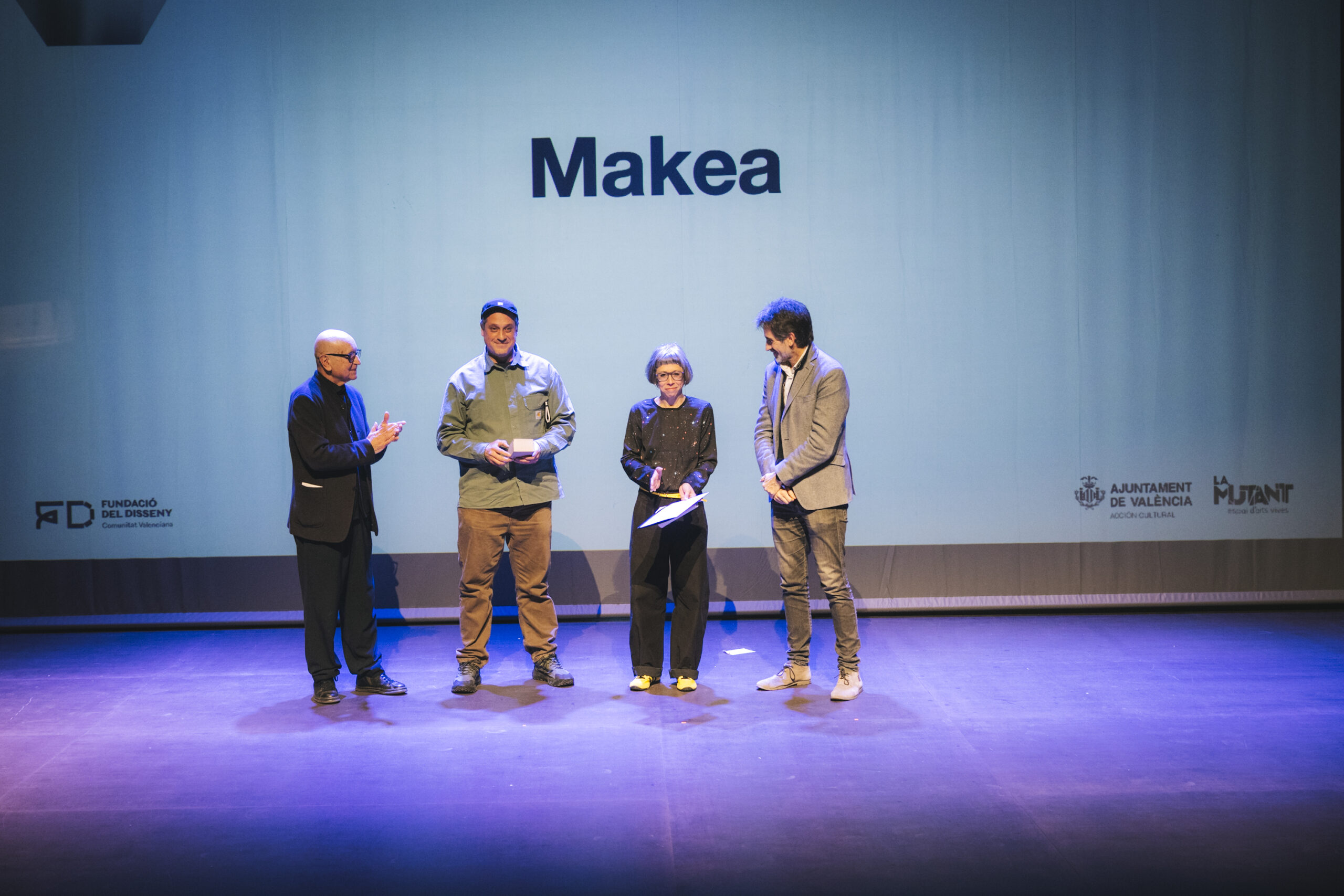
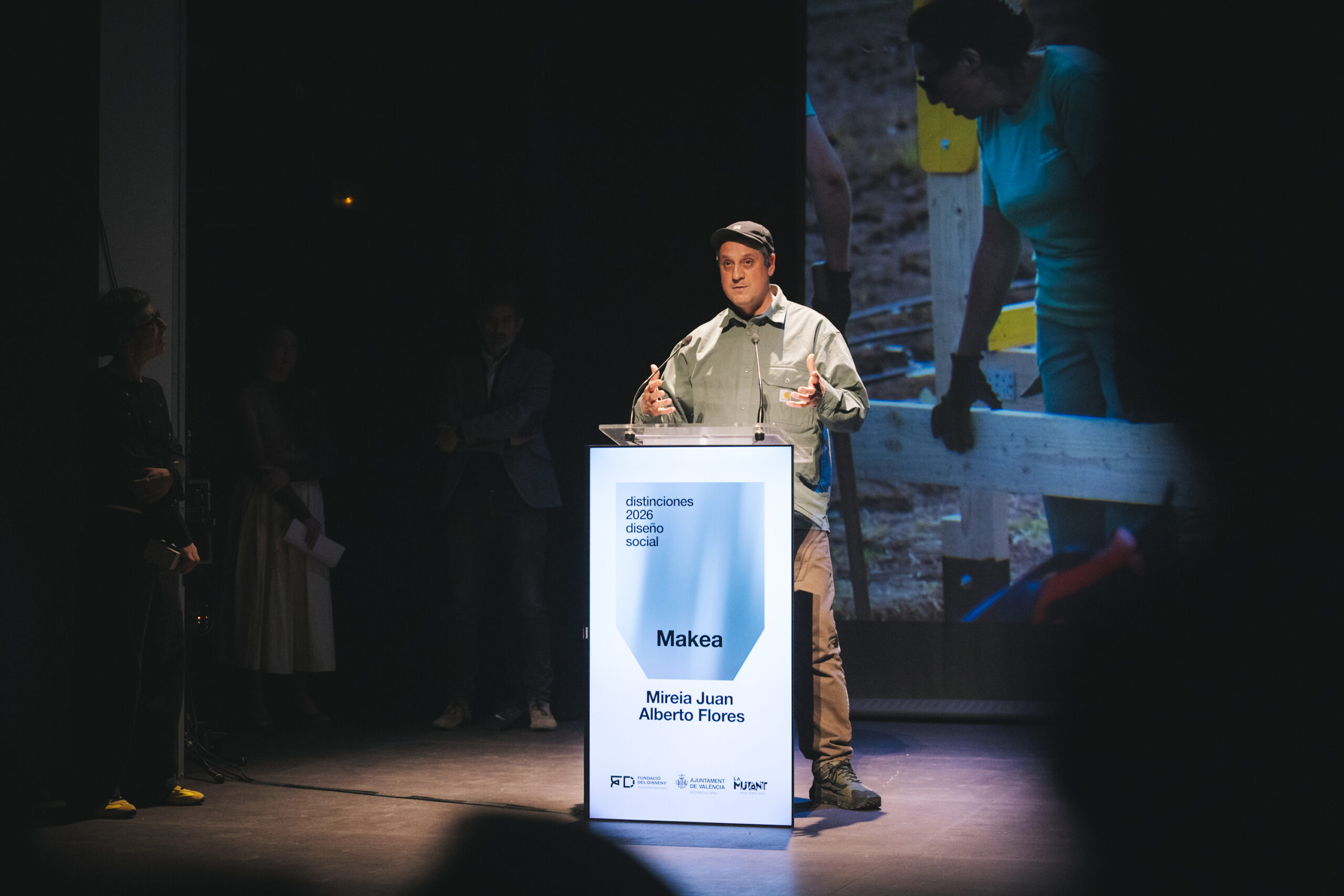
One of the two 2026 Professional Distinctions was awarded to Makea, a social and educational cooperative with more than fifteen years of experience in social innovation and sustainable design. Mireia Juan and Alberto Flores accepted the recognition, highlighting the importance of collaborative design, open-source principles and the circular economy as tools to empower communities and activate collective learning dynamics. Their intervention offered first-hand insight into their methodological approach based on co-creation and creative reuse, while also including a moment of motivation and a call to action.
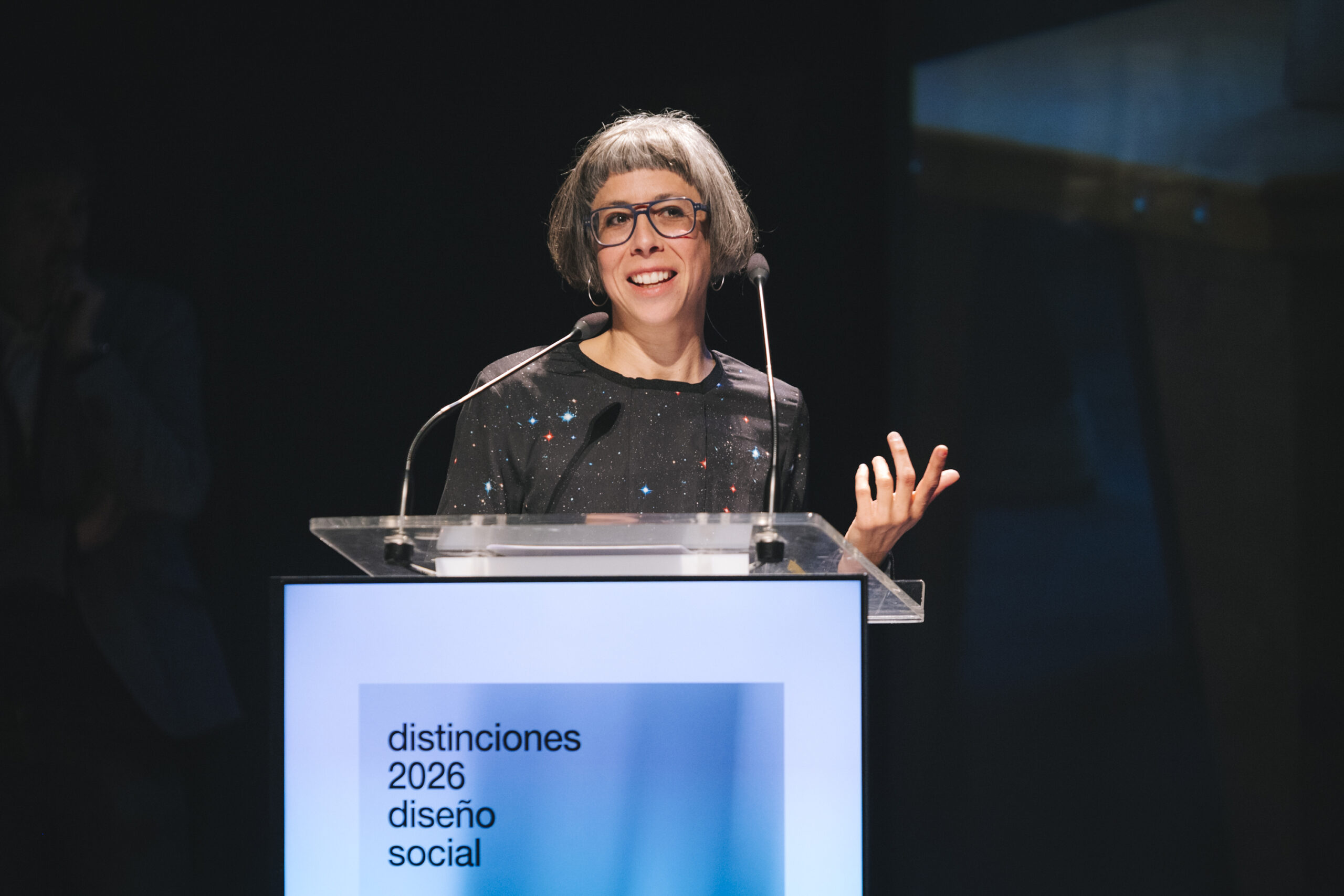
The second Professional Distinction of this edition was awarded to Raquel Pelta, researcher, historian and university professor, recognised for placing the social dimension of design at the centre of academic and professional discourse in Spain. In her closing lecture, entitled «Social design is not charity», Pelta defended a critical and structural vision of design as a transformative practice, distancing it from assistentialist approaches and reclaiming it as a tool for social justice and cultural construction. Concluding her talk, she emphasised that “social design is an alternative to despair, a way of making contradictions visible with a strength capable of generating the dynamics needed to resolve them”.
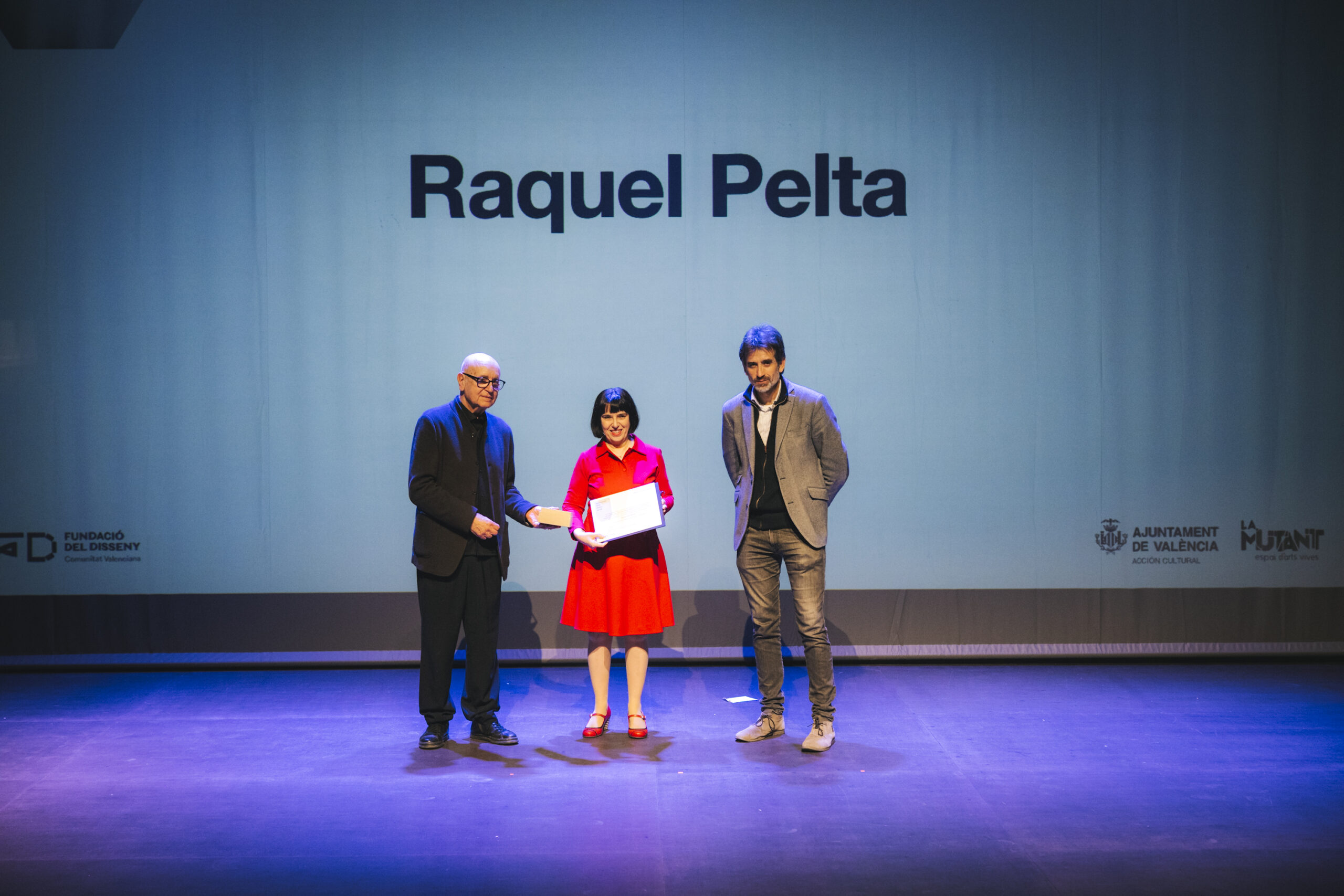
An object that symbolises commitment
The distinctions awarded take shape in a piece designed and produced by the Valencia-based studio Matterica, conceived as an object-jewel that merges artisanal tradition with contemporary thinking, reinforcing the symbolic dimension of the recognition.
In addition to José Luis Moreno, Councillor for Culture of the Valencia City Council, other authorities in attendance included Bernard Gaspar, Head of the Cultural Action Service; councillor Maite Ibáñez; representatives of the Board of Trustees of the Design Foundation; the President of the Association of Valencian Design Professionals, Ramón Arnau; Pepe Cosín, Dean of the Official College of Interior Designers of Valencia; directors of the main design and architecture schools of the Region of Valencia; and Sara Mansanet, director of the film festival Mostra de València.
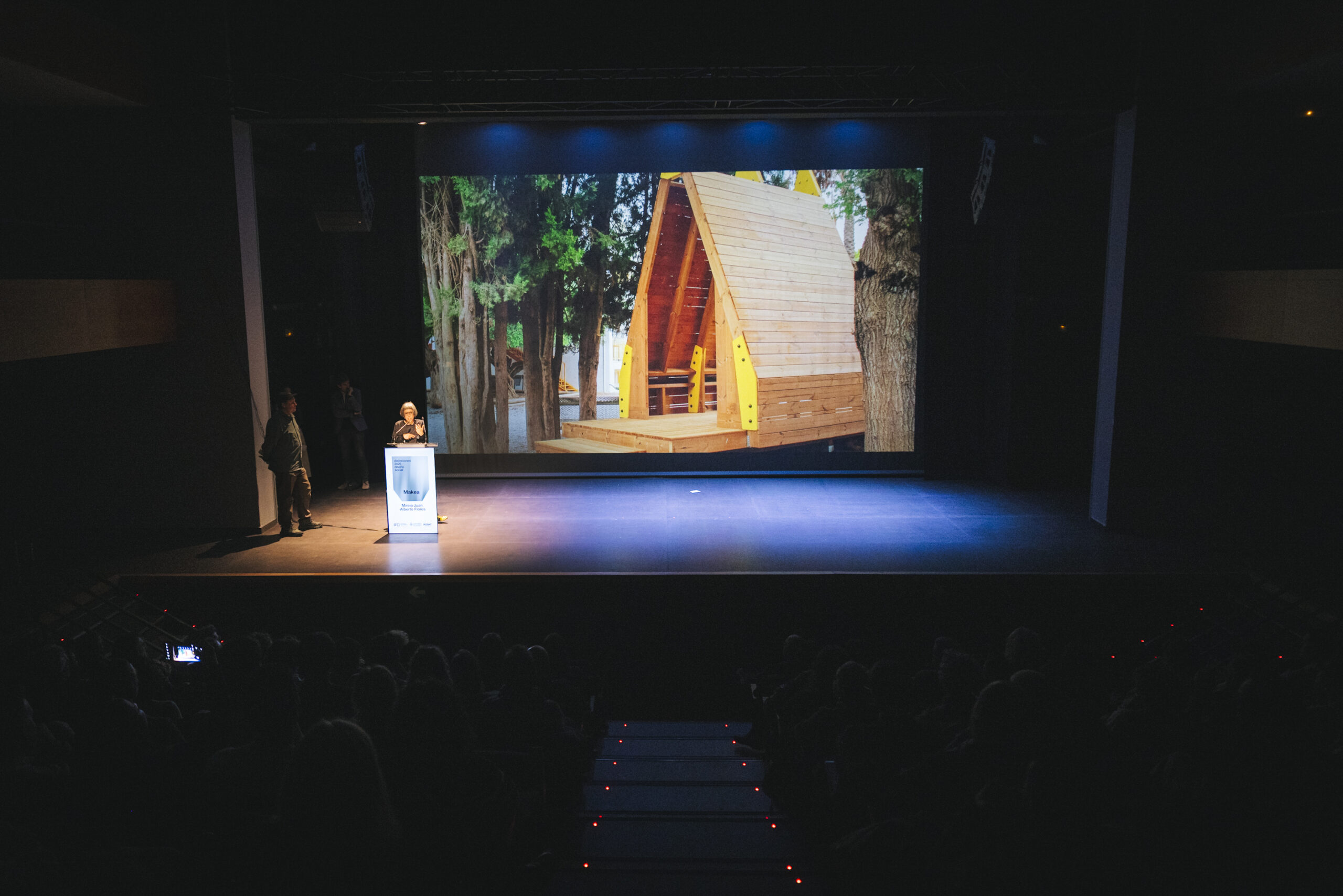
To close the event, the master of ceremonies, Ona Bascuñán, recalled that “design not only solves problems, it also accompanies, raises awareness and mobilises”, summarising the spirit of the day.
In this second edition, which saw a large turnout with tickets sold out days before the event, the ceremony was held thanks to the collaboration of the Valencia City Council and its Cultural Action Department. The Social Design Distinctions thus reaffirm their intention to endure as an annual space for recognition, inspiration and visibility for those practices that demonstrate that design, when it is social, is a commitment to the present and a responsibility towards the future.
Photography: Brava Studio
