Projects
News
«Aperitivo: Spanish Design in Conversation» brings Spanish creative talent to Frankfurt
«Aperitivo: Spanish Design in Conversation» brings Spanish creative talent to Frankfurt
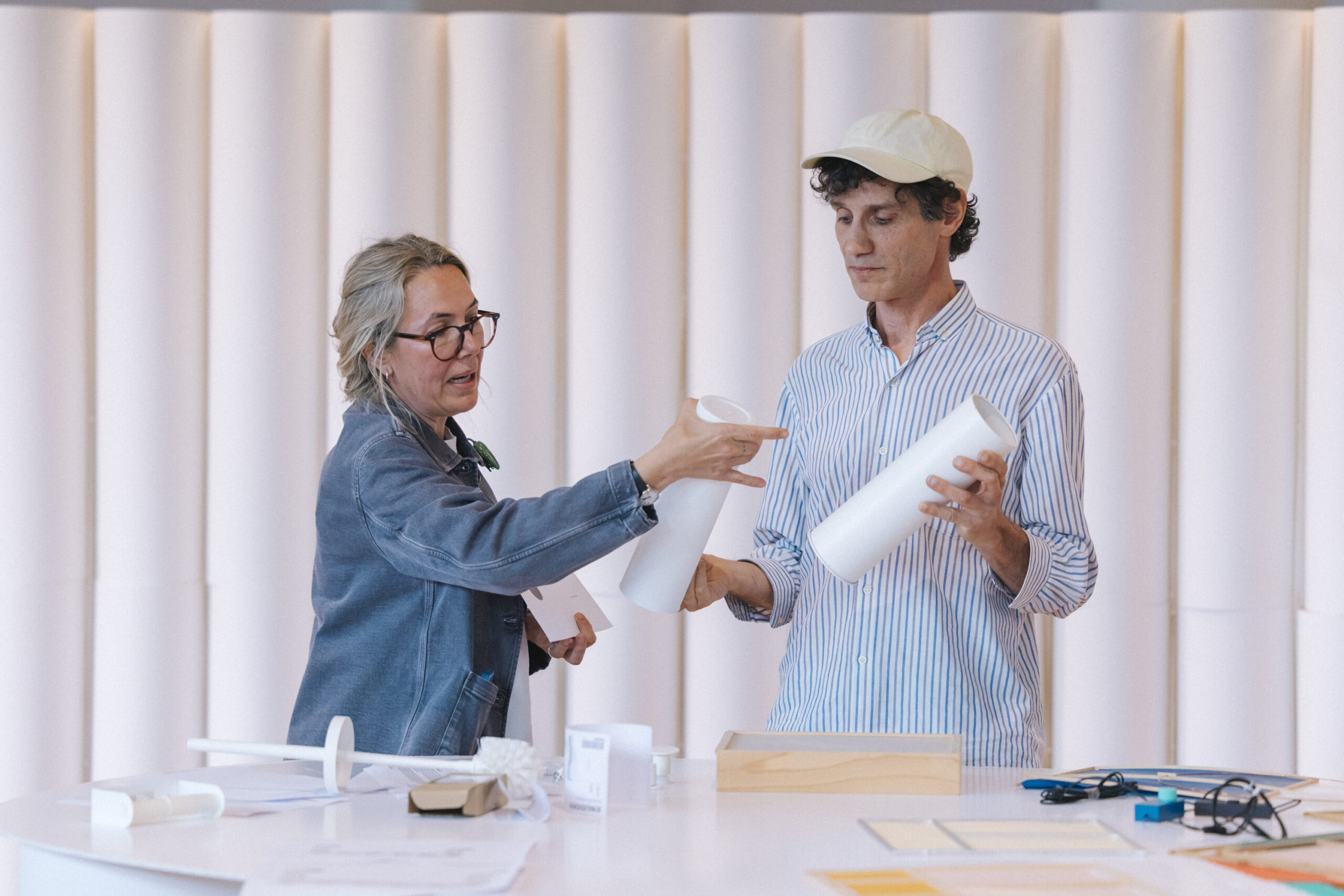
The initiative promoted by the Ministry of Culture, the Design Foundation of the Region of Valencia and the Spanish Network of Design Associations brought together leading figures of Spanish design in Germany as part of the official programme of World Design Capital Frankfurt RheinMain 2026.
Spanish design took centre stage last week in a major international initiative within the official programme of World Design Capital Frankfurt RheinMain 2026 with the celebration of «Aperitivo: Spanish Design in Conversation», an initiative promoted by the Ministry of Culture together with the Design Foundation of the Region of Valencia and the Spanish Network of Design Associations (READ).
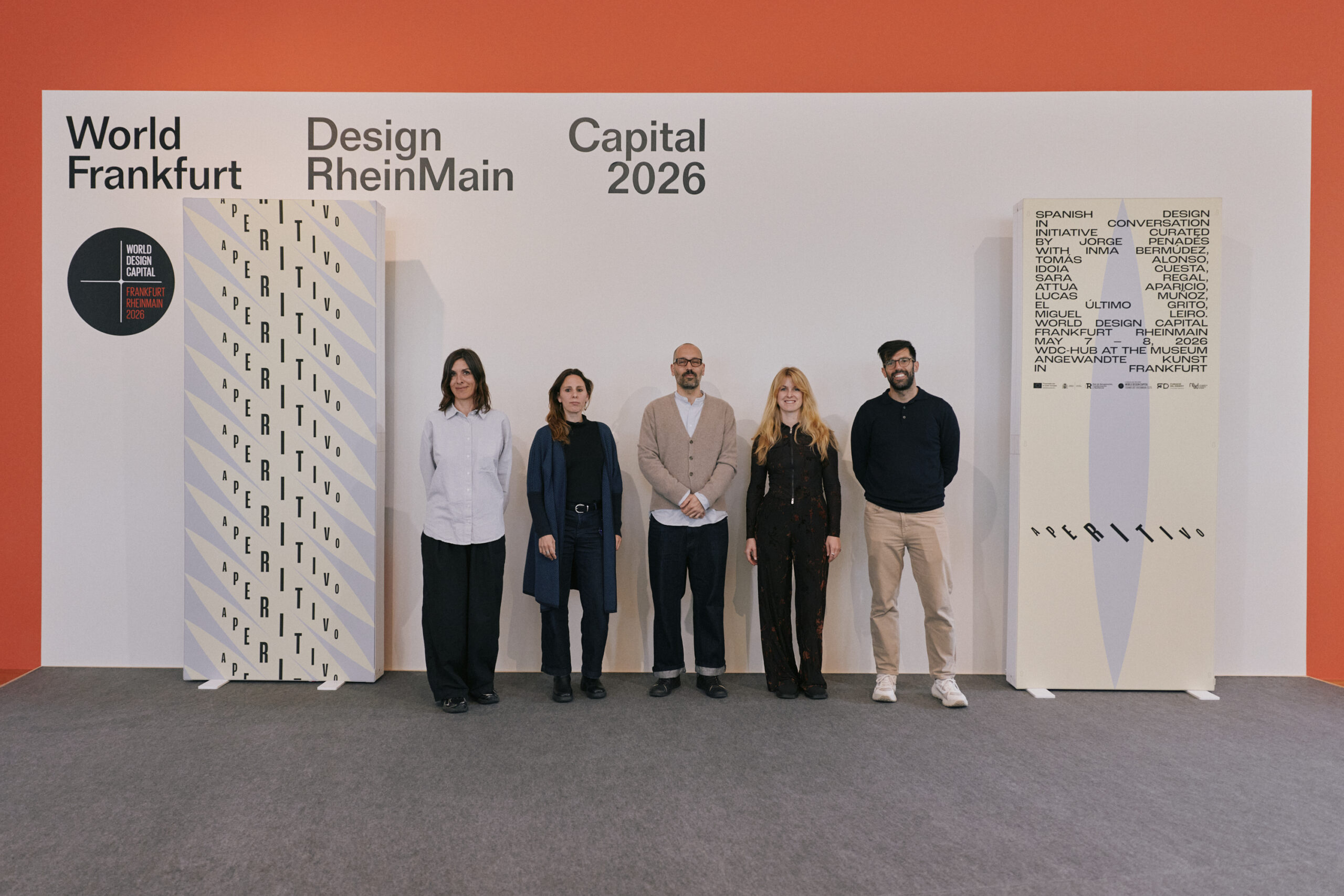
Held in Frankfurt from 6 to 8 May, the project brought together eight leading figures from contemporary Spanish design (Inma Bermúdez, Tomás Alonso, El Último Grito, Miguel Leiro, Attua Aparicio, Lucas Muñoz, Idoia Cuesta and Sara Regal) under the curatorship of Jorge Penadés in a proposal centred on dialogue, processes and cultural exchange, moving away from traditional exhibition formats to reveal what usually remains hidden: sketches, references, tests, mistakes and materials.
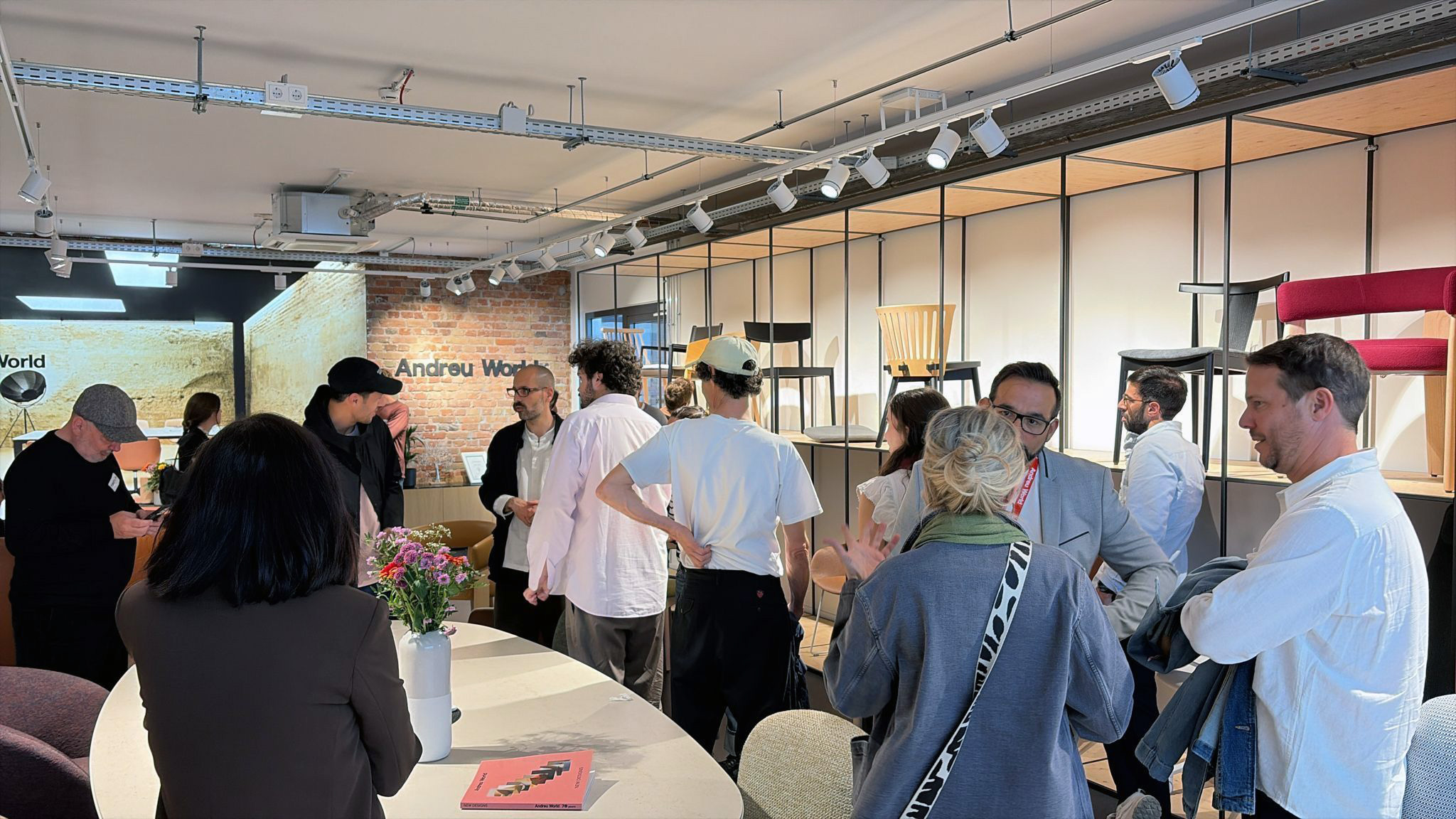
The institutional welcome for «Aperitivo» took place on Wednesday thanks to Andreu World, the Valencian company that brought together institutions, organisers and design professionals at its Hanau showroom in a gathering conceived as a space for exchange between Spain and Germany. The reception was attended by the leadership team of World Design Capital Frankfurt RheinMain 2026, headed by Carolina Romahn (Chief Executive Officer), Kai Rosenstein (Chief Experience Officer), Kira Bernauer (Project Manager), Christina Swenney (Chief Communication Officer) and Roland Lambrette, one of the founders of the German World Design Capital. The gathering symbolically strengthened the connection between Valencia 2022 and Frankfurt 2026, consolidating the link between both World Design Capitals.
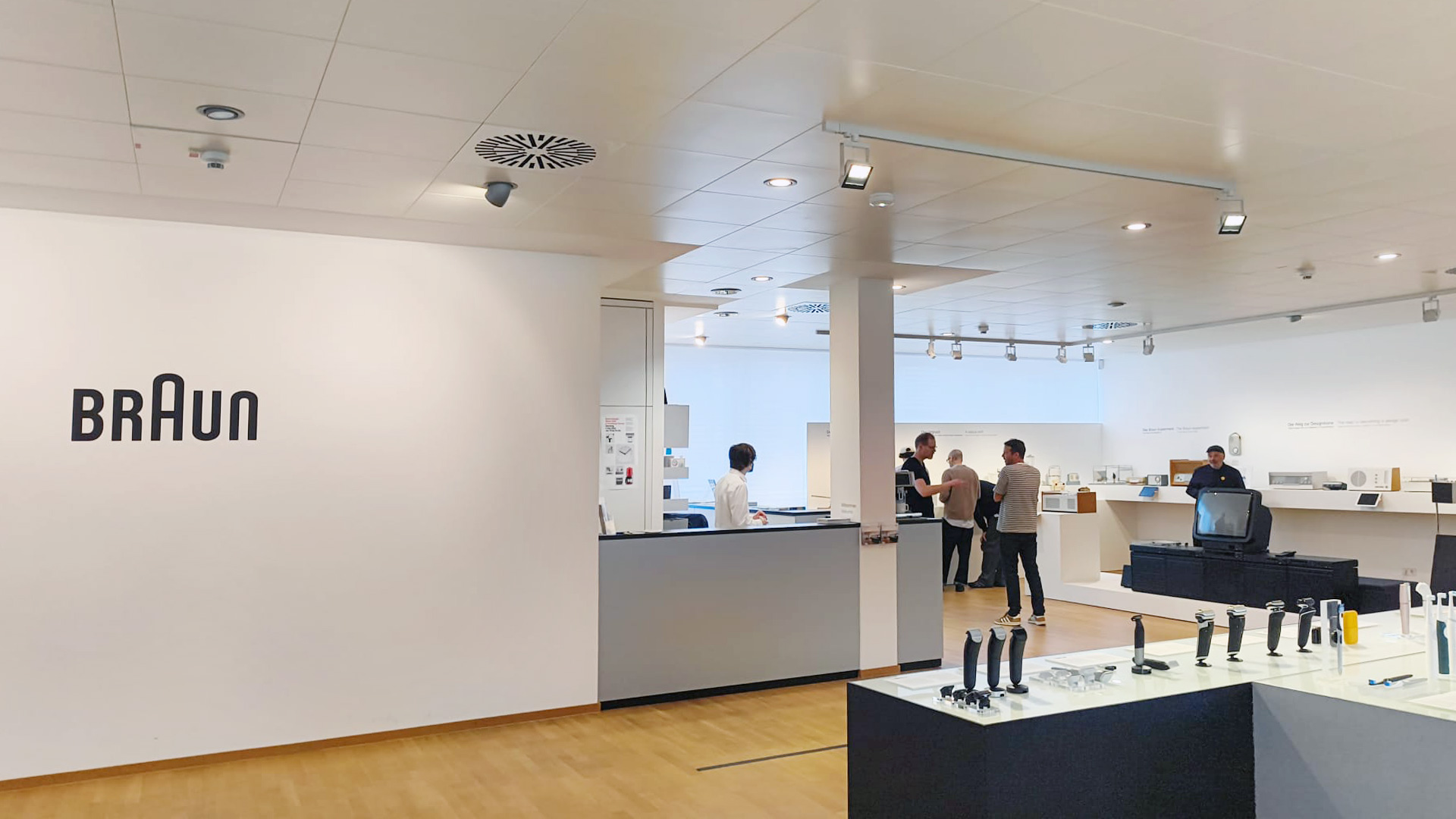
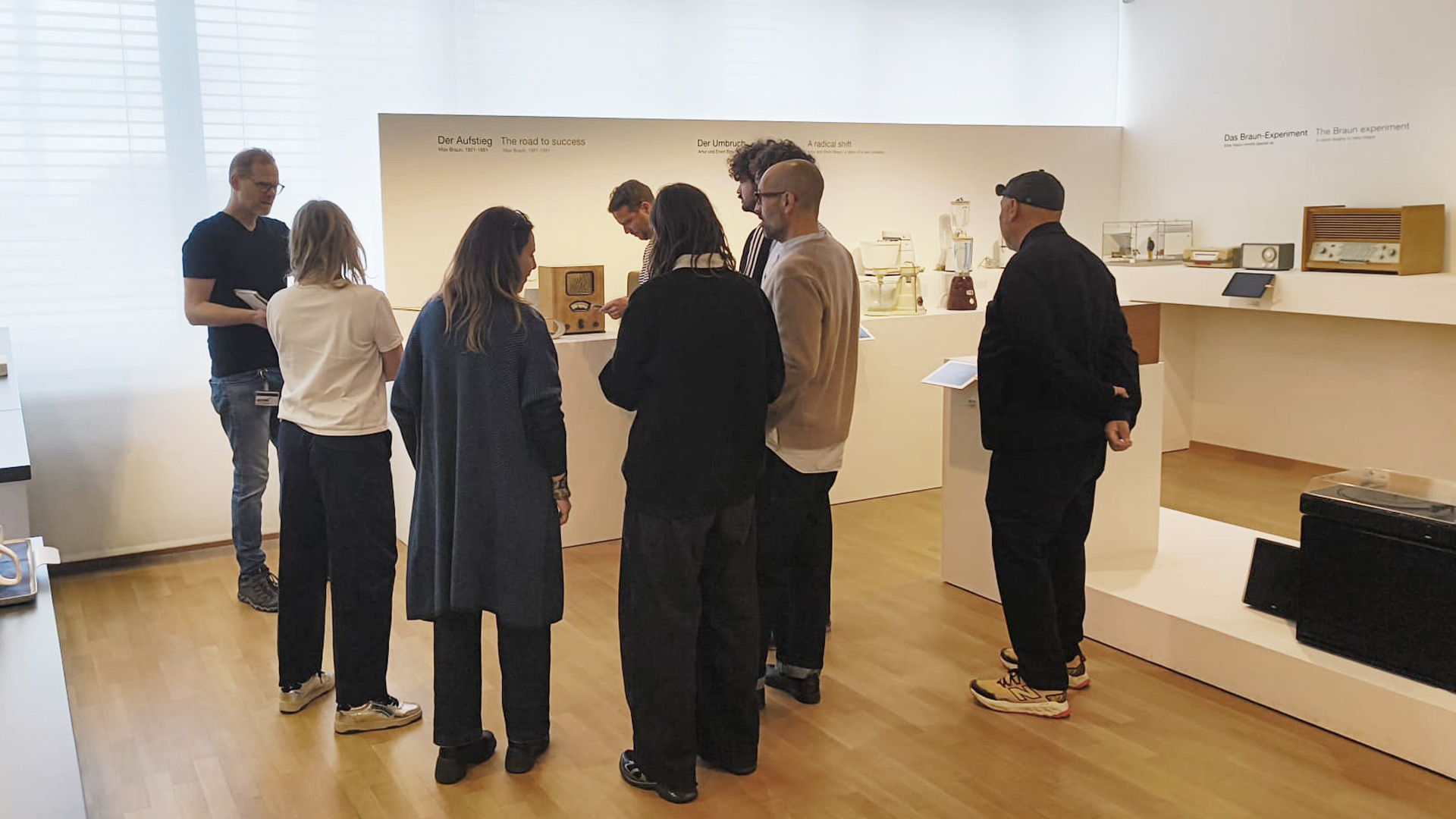
The professional programme began on Thursday with a visit by the Spanish delegation to the Braun Museum in Kronberg, guided by Benjamin Wilson, Director of Communications at the German company, who shared the history, philosophy and evolution of one of the most influential companies in contemporary design. During the visit, Wilson highlighted the well-known principle that “good design is good business”, recalling how the simplification of materials and processes can contribute to better design.
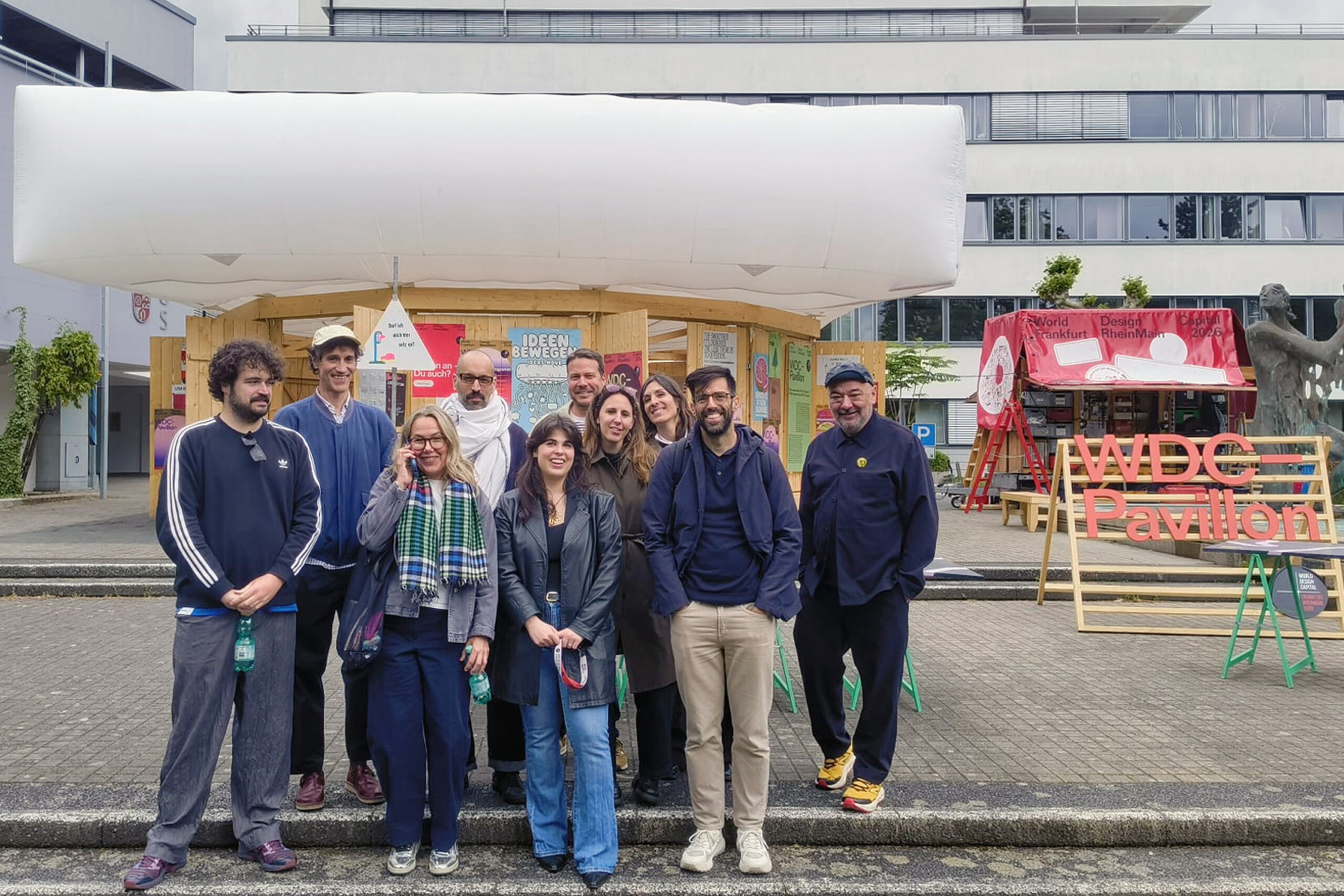
Afterwards, the group visited the WDC-Pavillon in Kelkheim, the temporary and travelling pavilion of World Design Capital 2026, where Dilan Alt, Lead Education Programme of the World Design Capital, explained the educational and school-based initiatives developed across the German territory thanks to the pavilion’s ongoing mobility.
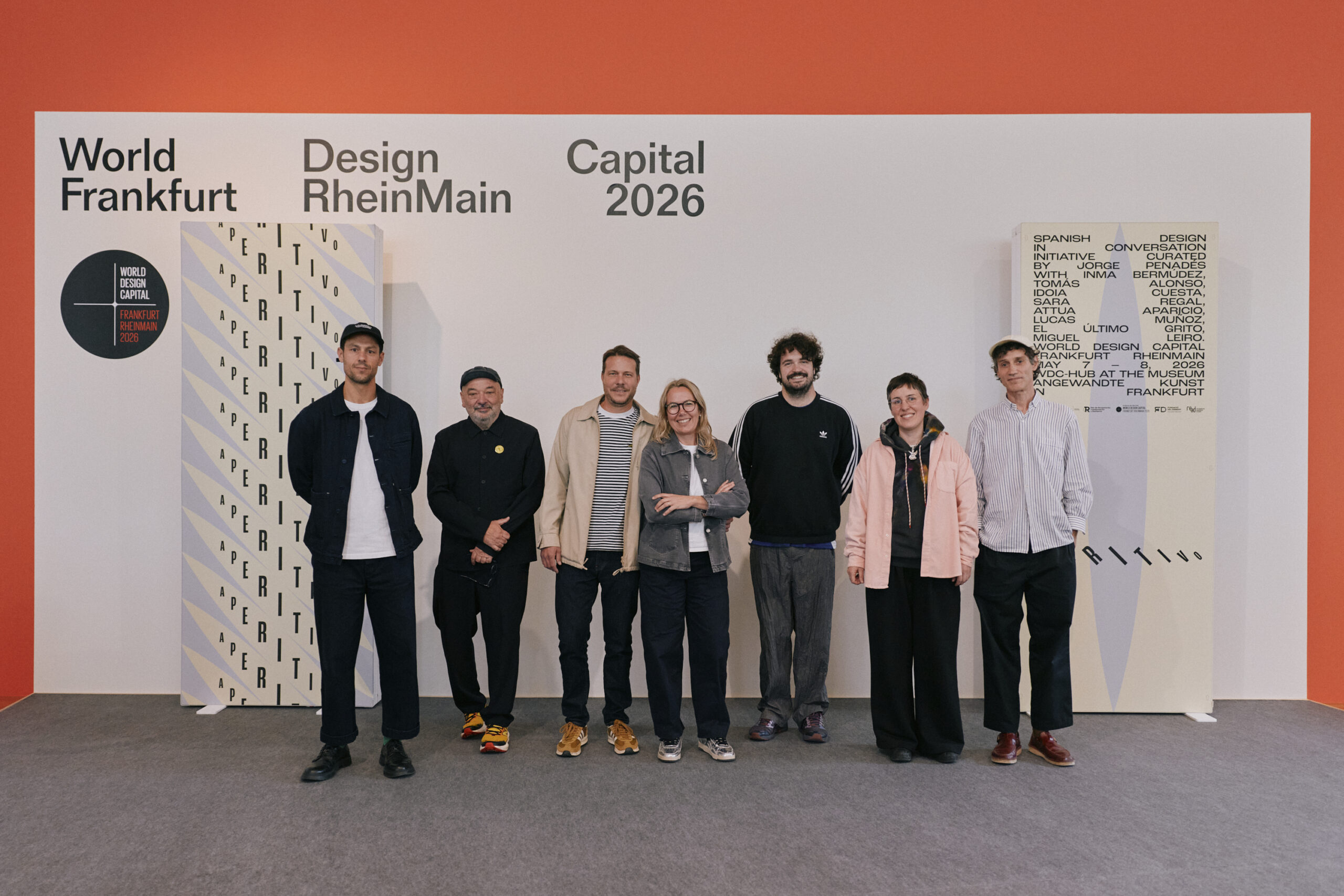
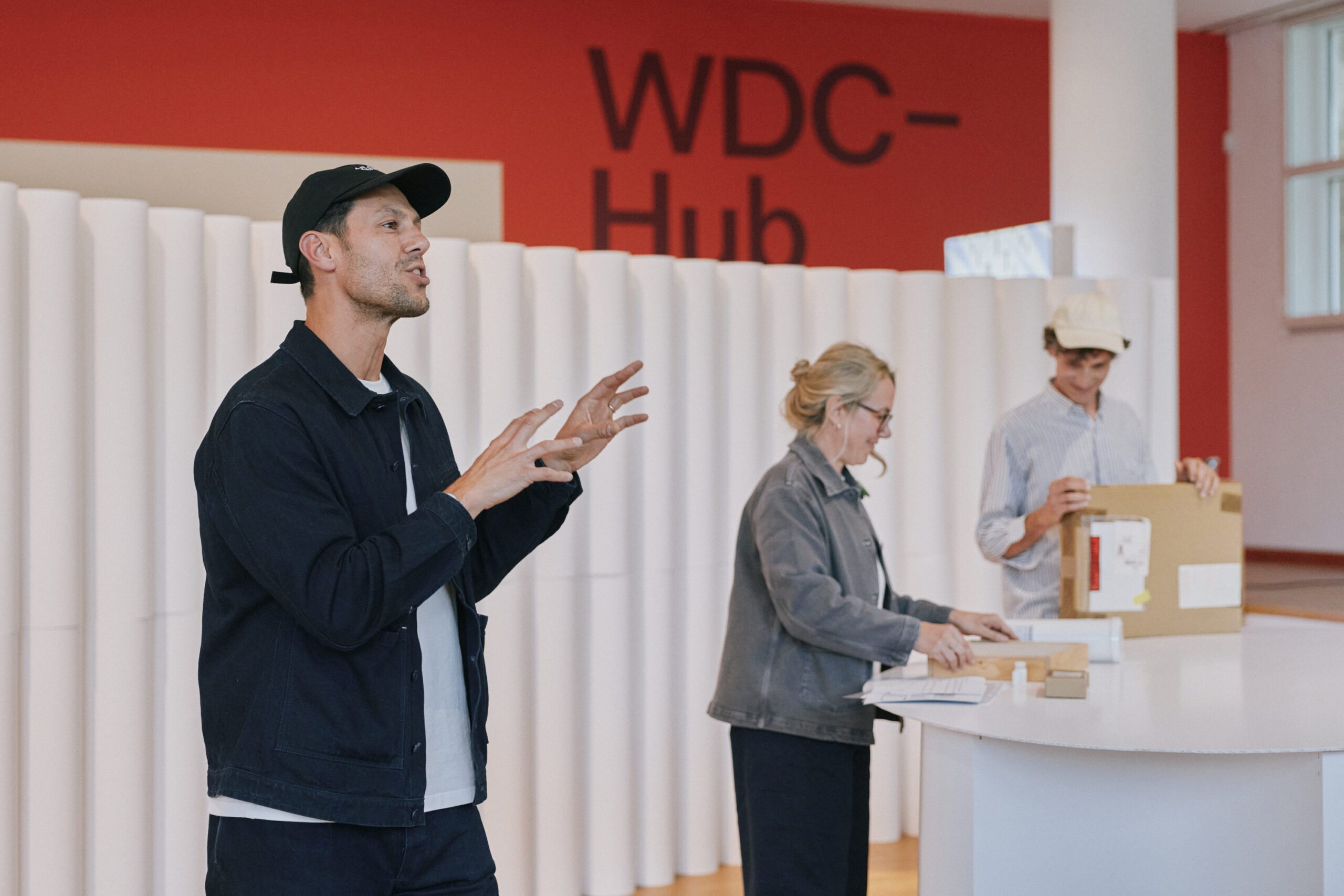
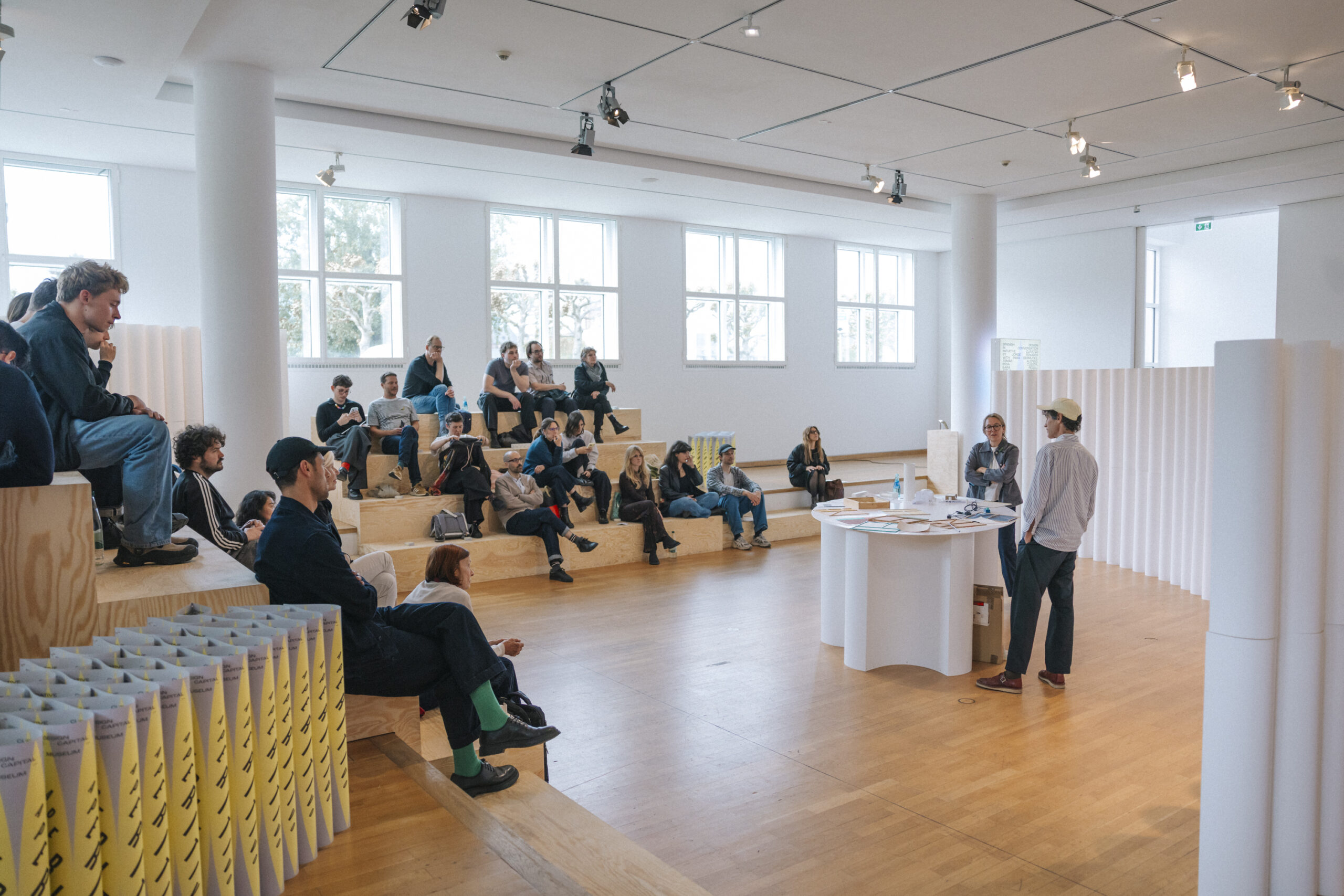
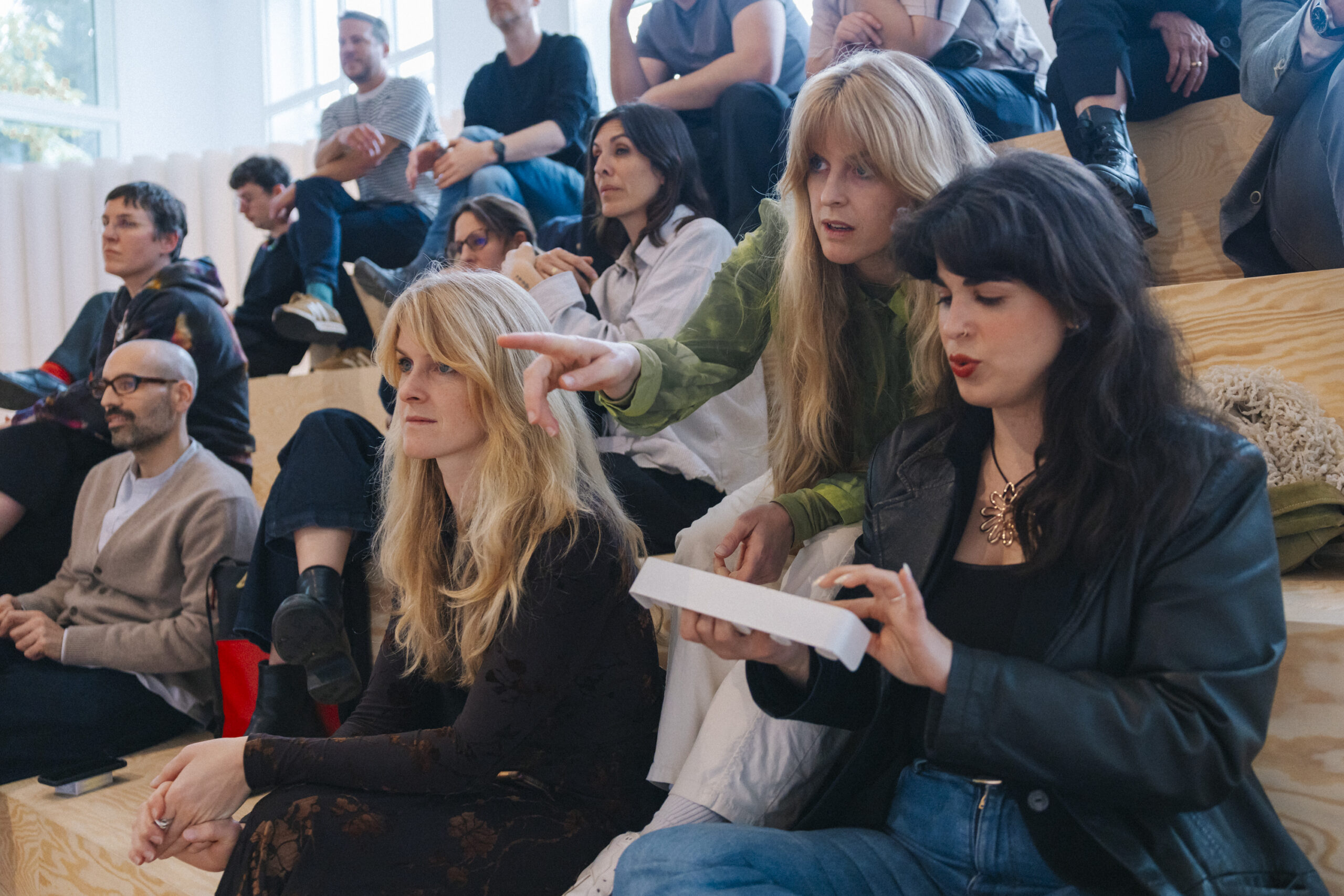
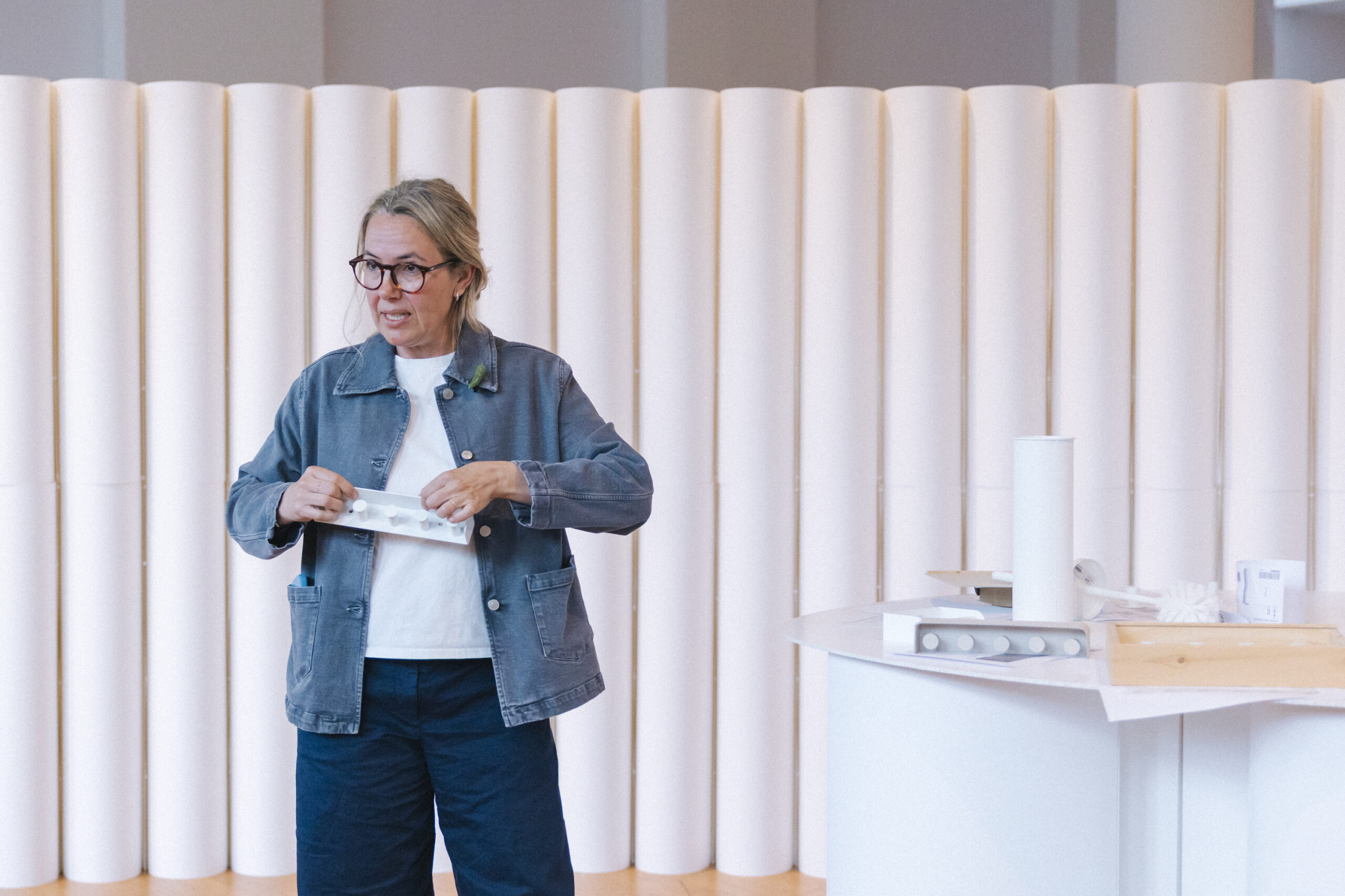
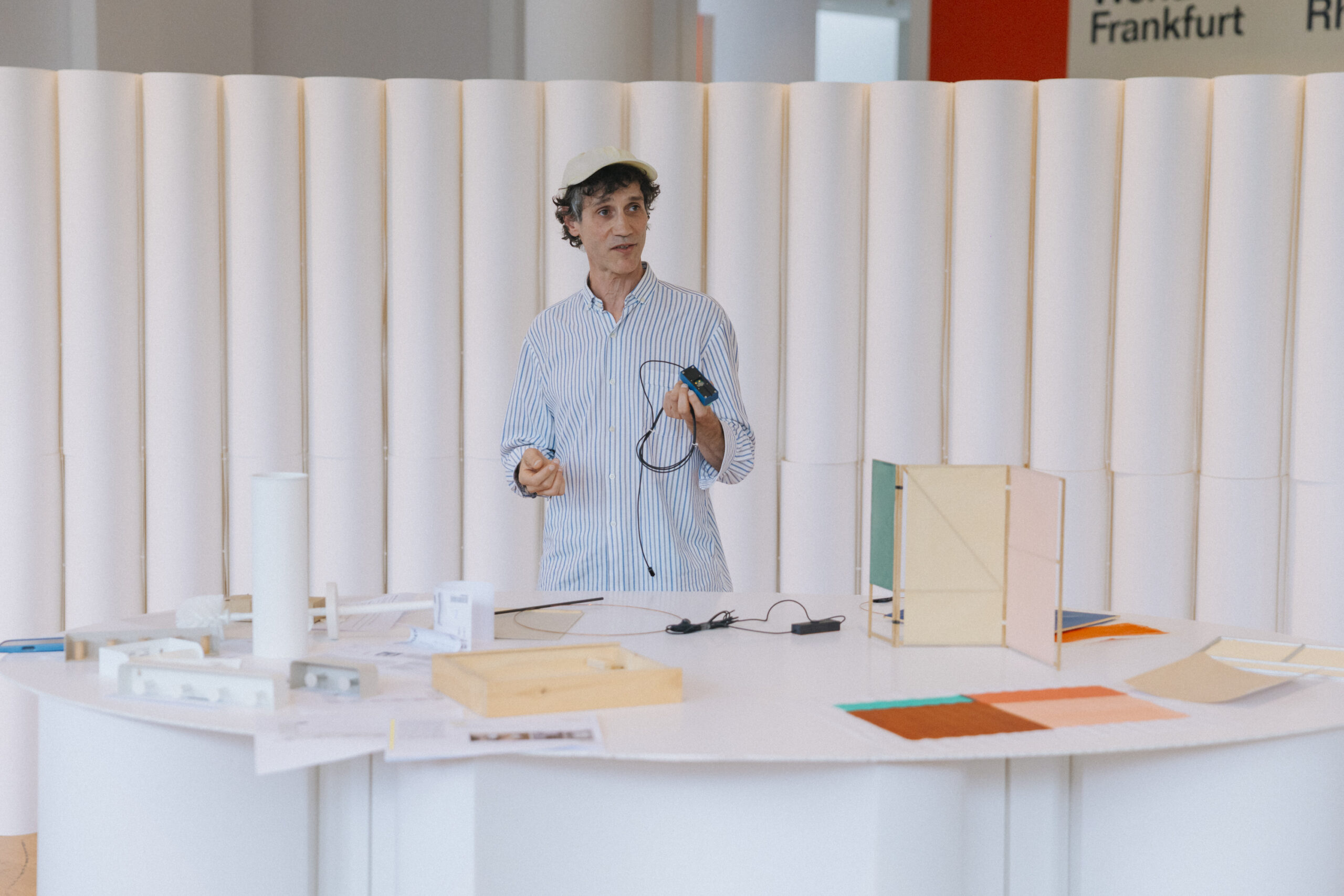
Later that afternoon, the WDC-Hub (Museum Angewandte Kunst) hosted the first open dialogues of «Aperitivo», moderated by designer and curator Jorge Penadés. The institutional opening was attended by Henar Diez and Chisco Villar representing the Cultural Industries Coordination Centre of the Ministry of Culture, Roberto Heredia from the Design Foundation of the Region of Valencia and Cris Cavaller from the Spanish Network of Design Associations, who were welcomed by Kai Rosenstein and Kira Bernauer from the Organizing Lead team of World Design Capital Frankfurt RheinMain 2026. This was followed by conversations between Inma Bermúdez and Tomás Alonso, and between Roberto Feo from El Último Grito and Miguel Leiro, in an open and participatory format that enabled the sharing of models, prototypes, publications and working processes. From projects for major international companies to cultural formats such as films, fairs and publications, the conversations explored multiple ways of understanding contemporary design.
Thursday’s programme concluded with a visit to the Spanish Design Pavilion, a project promoted by ICEX together with the Instituto Cervantes in Frankfurt on the occasion of World Design Capital 2026, further consolidating a strong Spanish presence that was highlighted by the German organisers themselves as one of the clearest examples of how to use the World Design Capital programme as a platform for international positioning and nation branding through design, creativity and cultural talent. A particularly meaningful connection due to its direct link with Valencia, previously designated World Design Capital in 2022, whose legacy continues today to generate new opportunities for collaboration and exchange between European creative ecosystems.
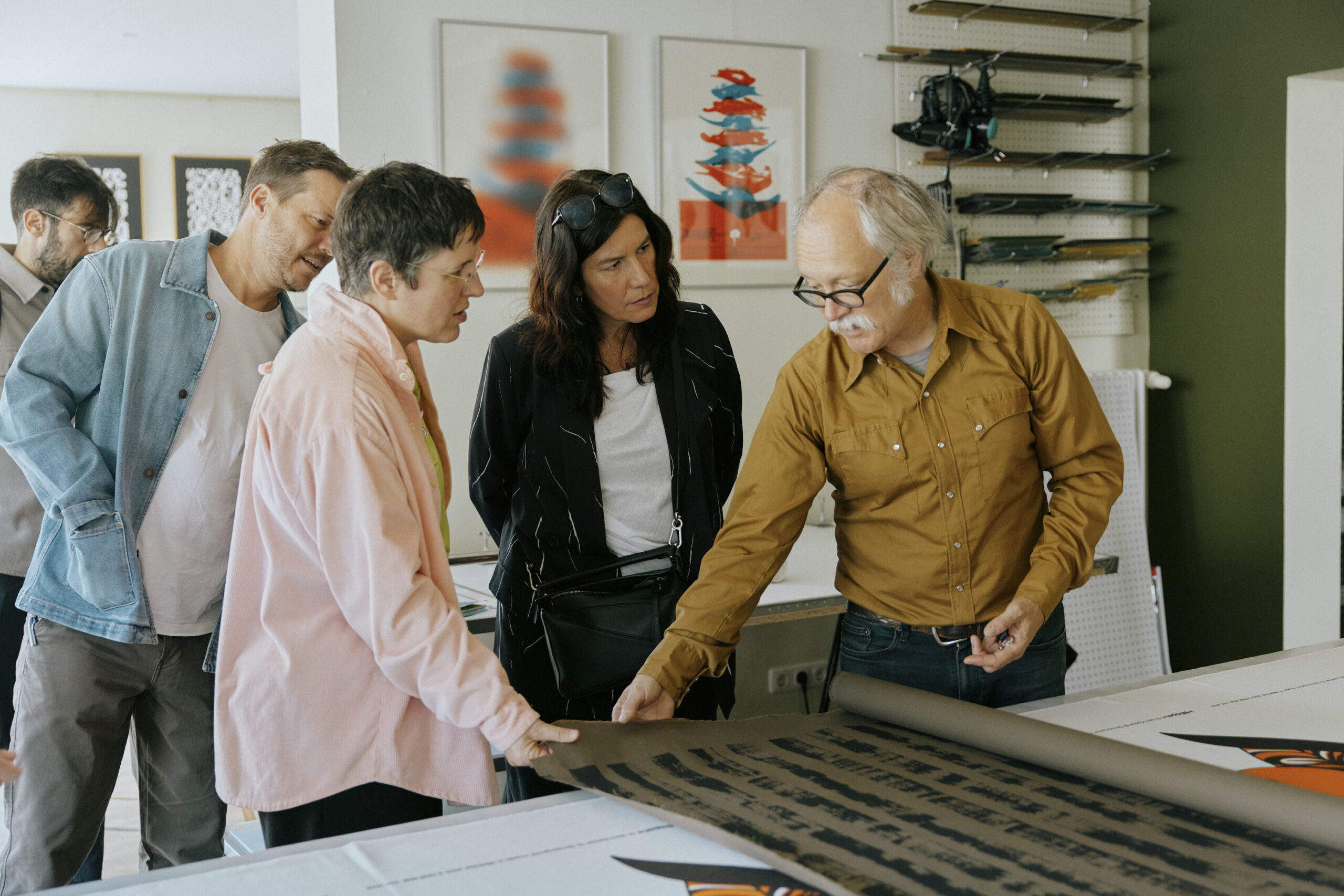
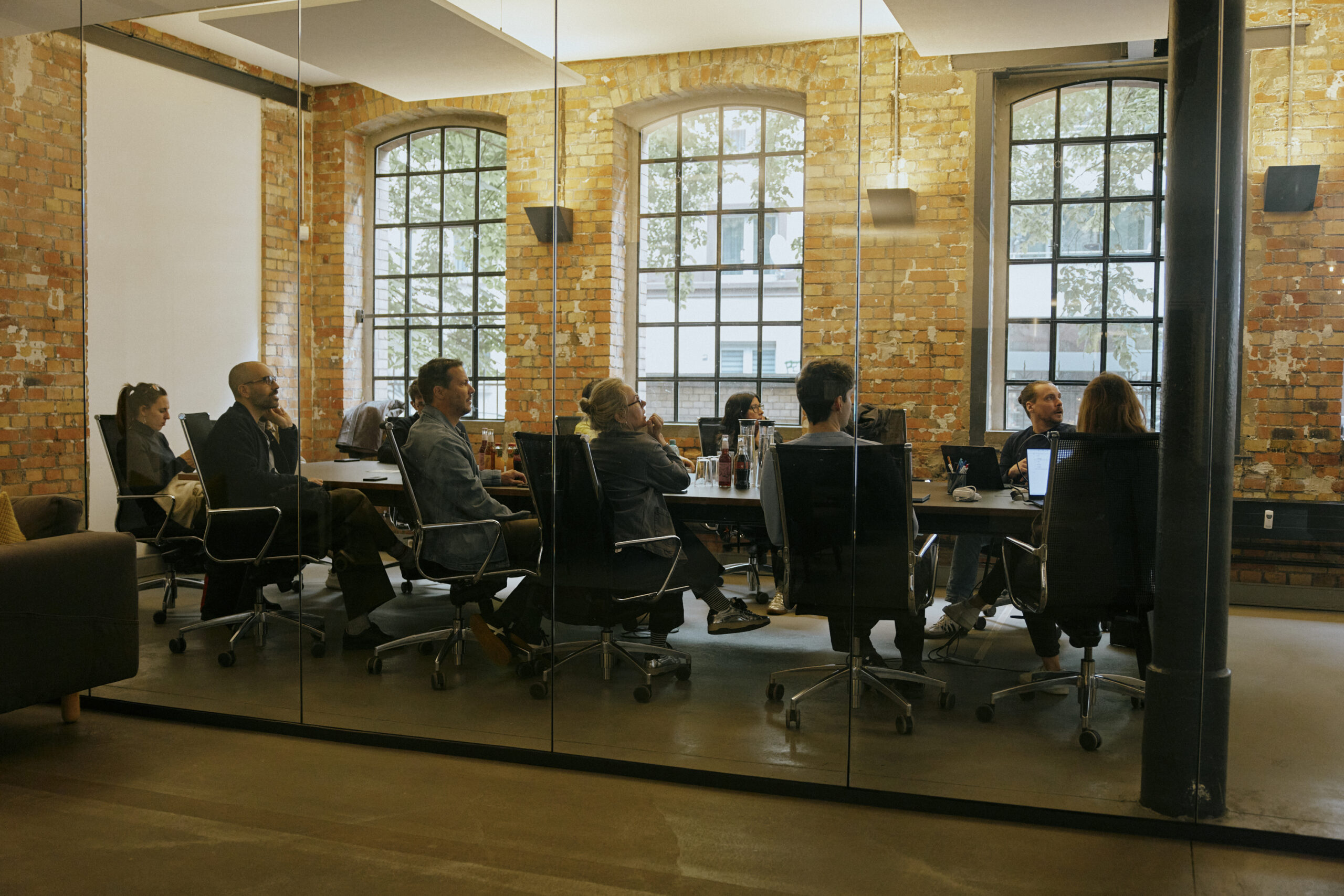
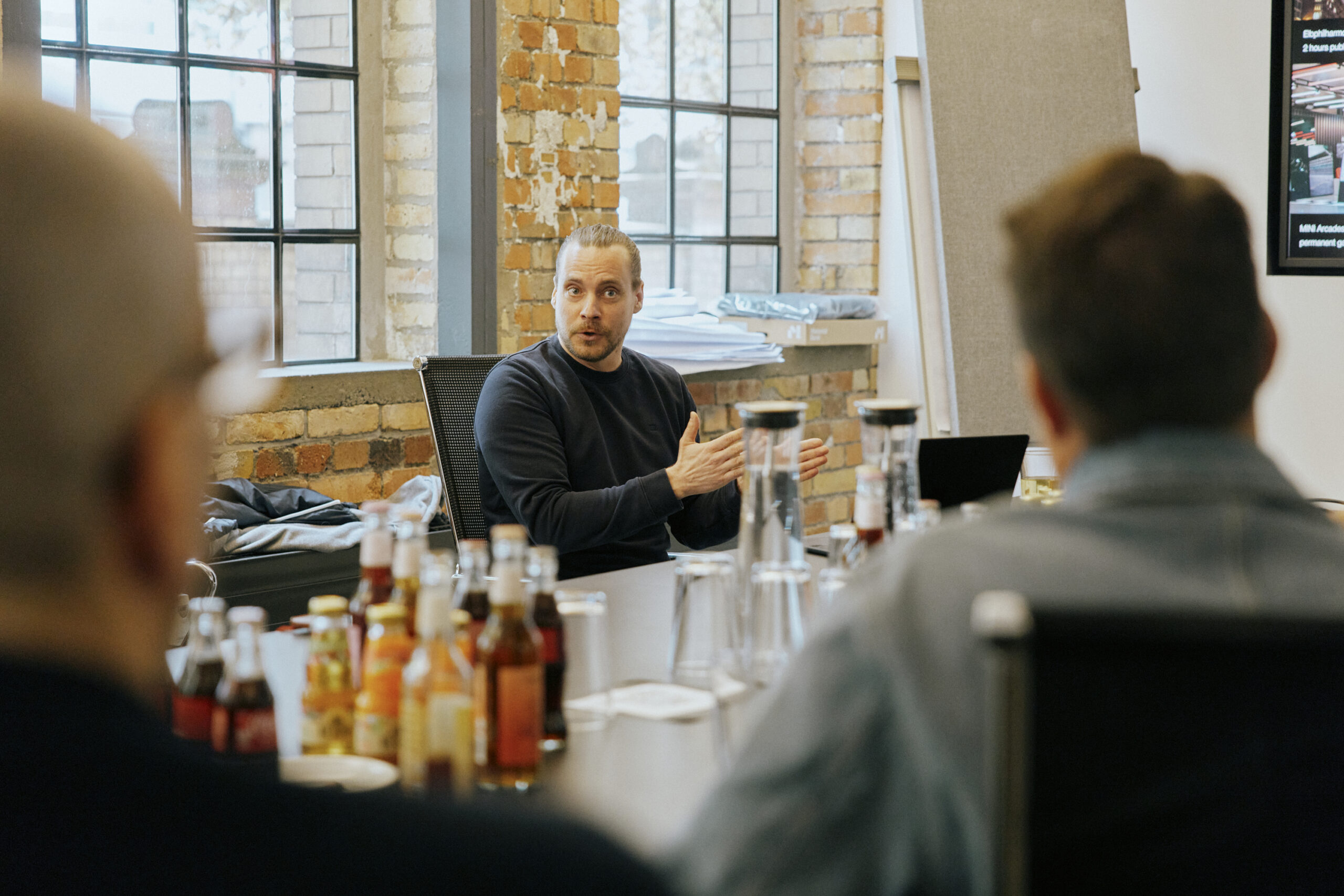
Friday’s programme began with a professional tour of the creative studio Madhat and the risograph and graphic experimentation workshop Print Now Riot Later, two complementary approaches between the digital and the handcrafted that enabled an exchange of methodologies and ways of understanding contemporary creation with members of Frankfurt’s creative ecosystem.
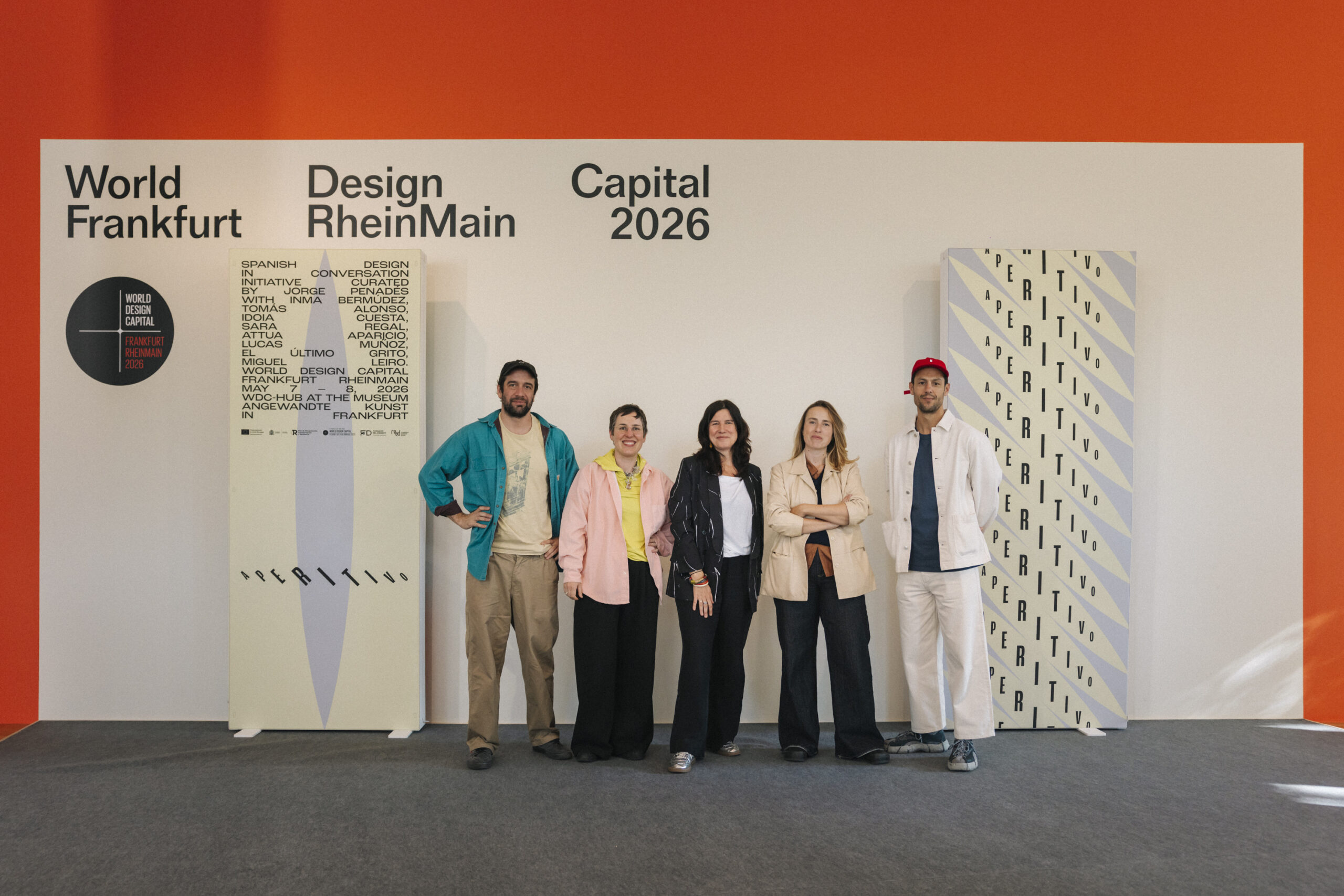
In the afternoon, the final open dialogues of «Aperitivo» took place, once again moderated by Jorge Penadés. The first brought together Attua Aparicio and Lucas Muñoz in a conversation focused on material research, sustainability and experimentation. Through samples, tests and works in progress, both demonstrated how design can emerge through trial and error, while also questioning production systems and the way we relate to materials and objects. While Attua Aparicio shared processes linked to the reuse of glass waste to generate new materials and finishes, Lucas Muñoz expanded the conversation towards more industrial systems, prototyping and production structures.
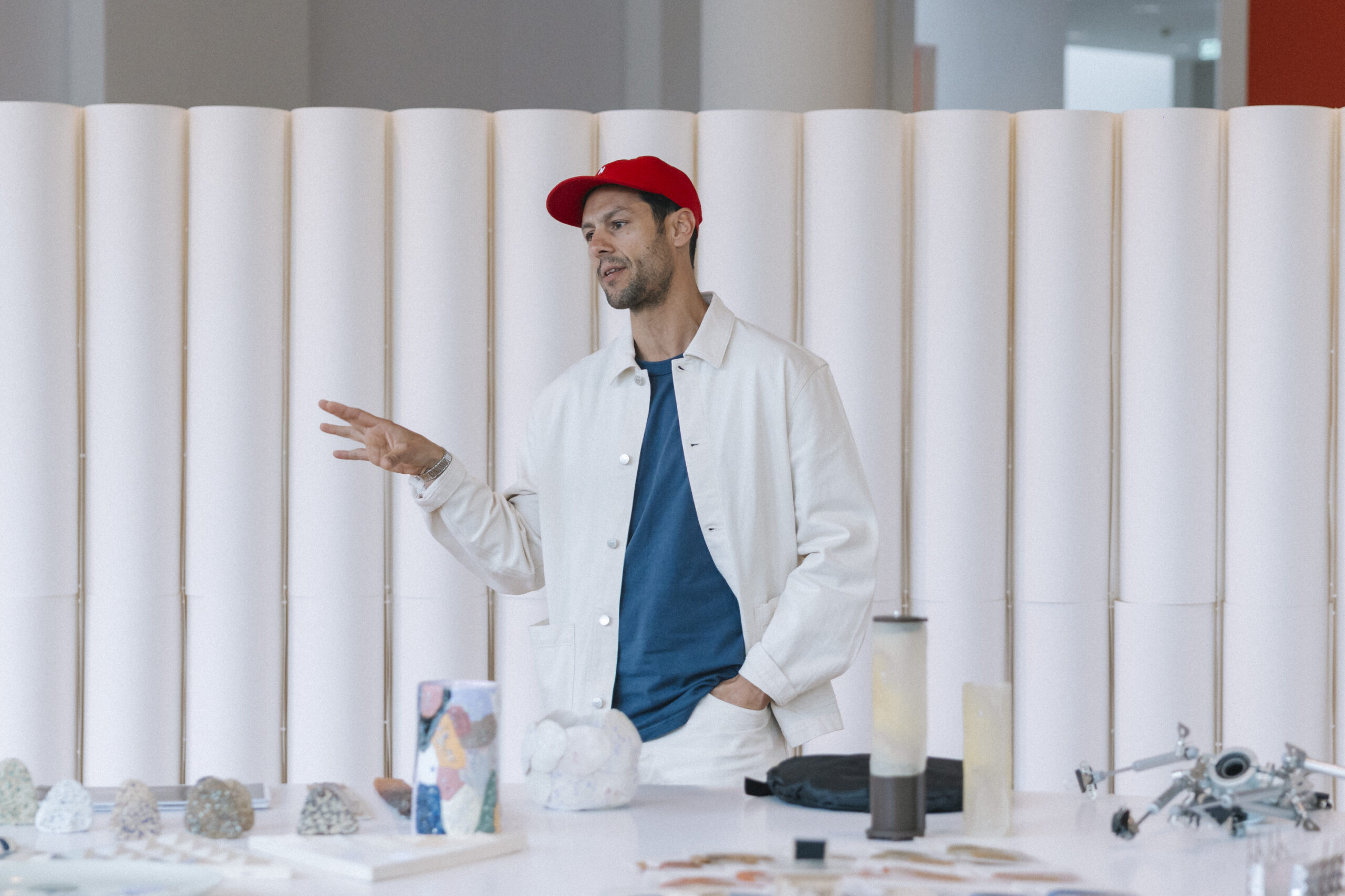
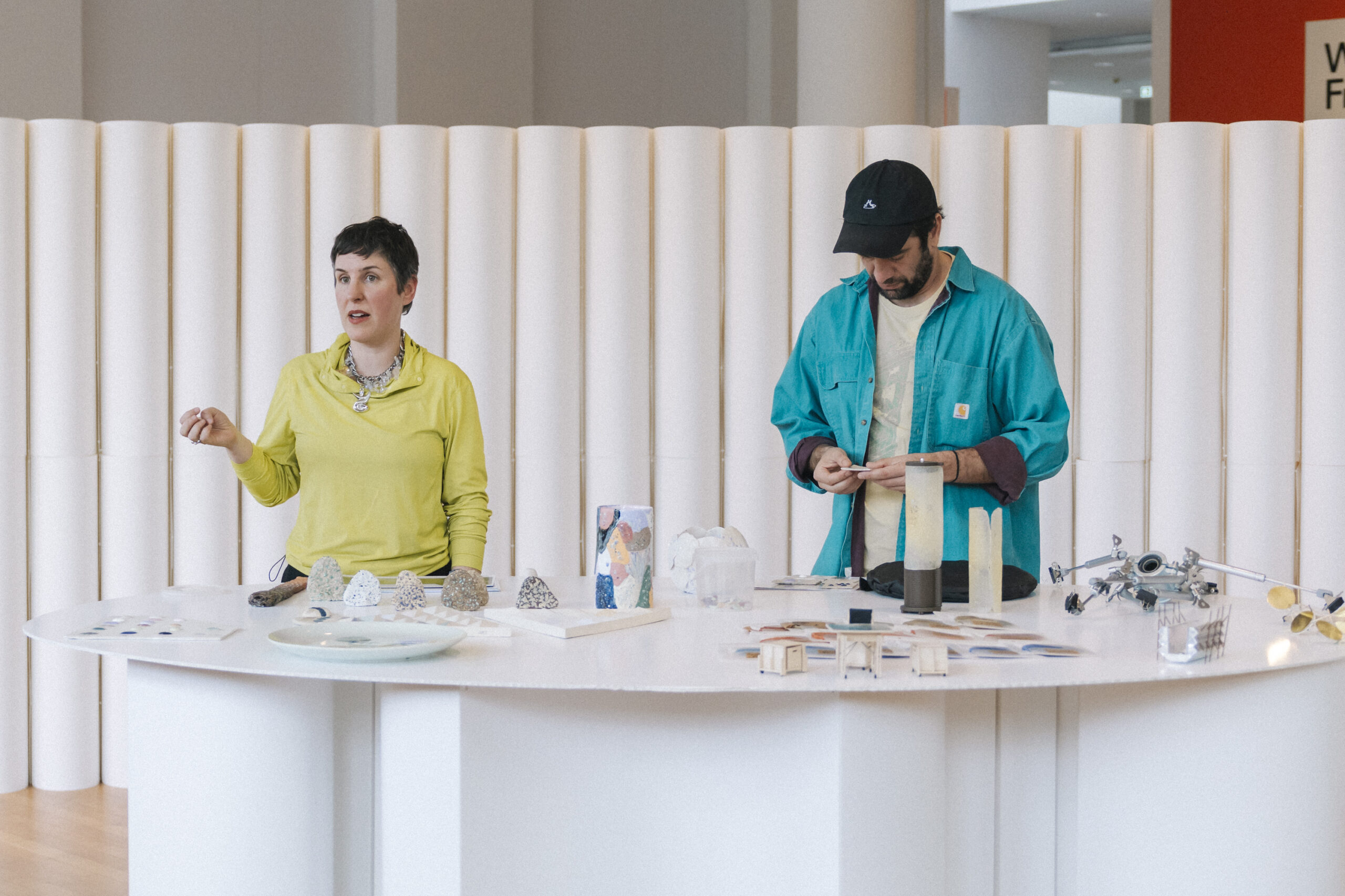
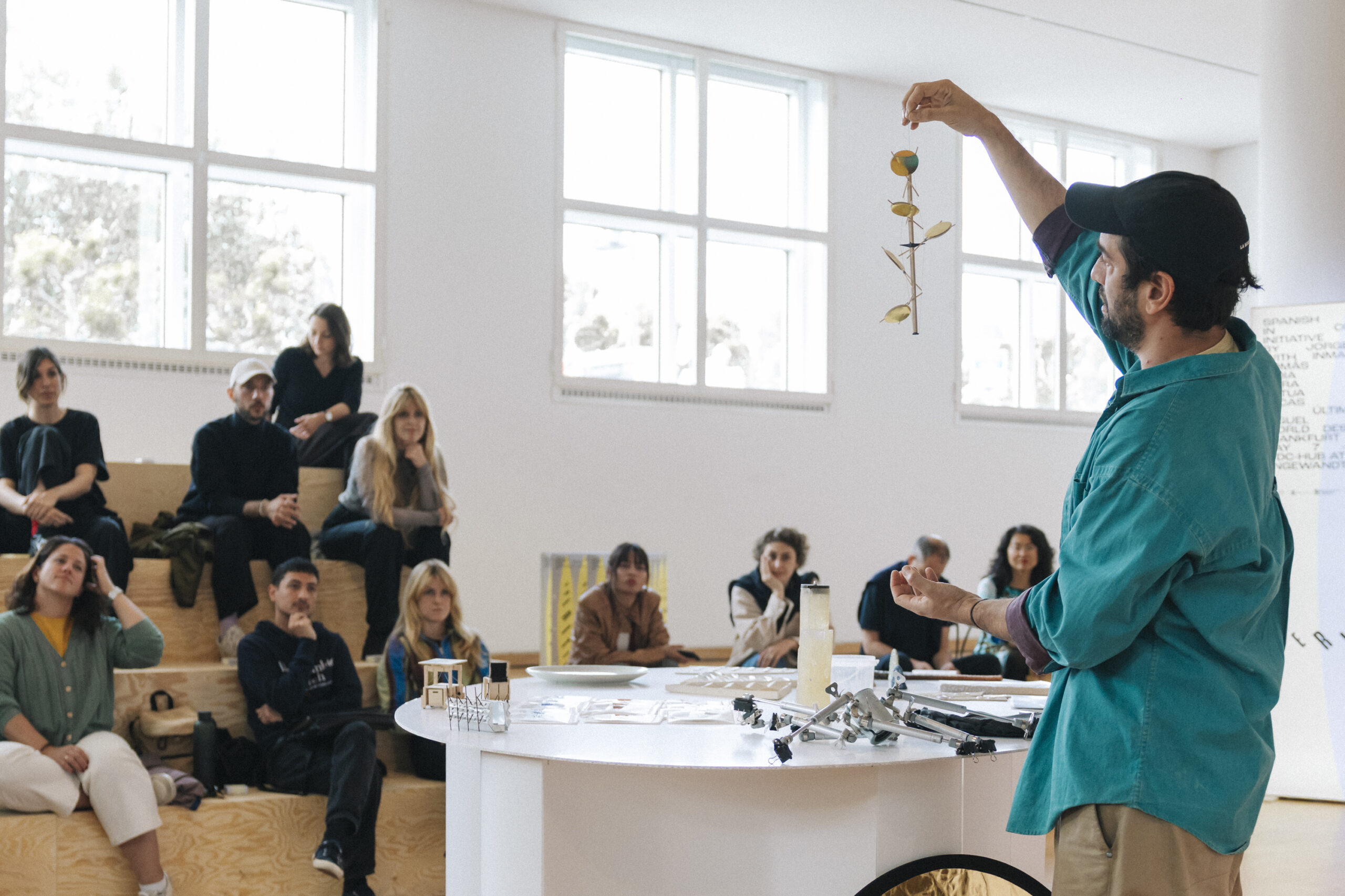
Afterwards, Idoia Cuesta and Sara Regal shifted the dialogue towards the connections between craftsmanship, nature and material transformation. From contemporary basketry and natural fibres to working with discarded materials and manual processes, both highlighted alternative ways of producing, where design emerges as a sensitive, conscious practice deeply connected to its environment, literally placing on the table pieces they had used in some of their projects.
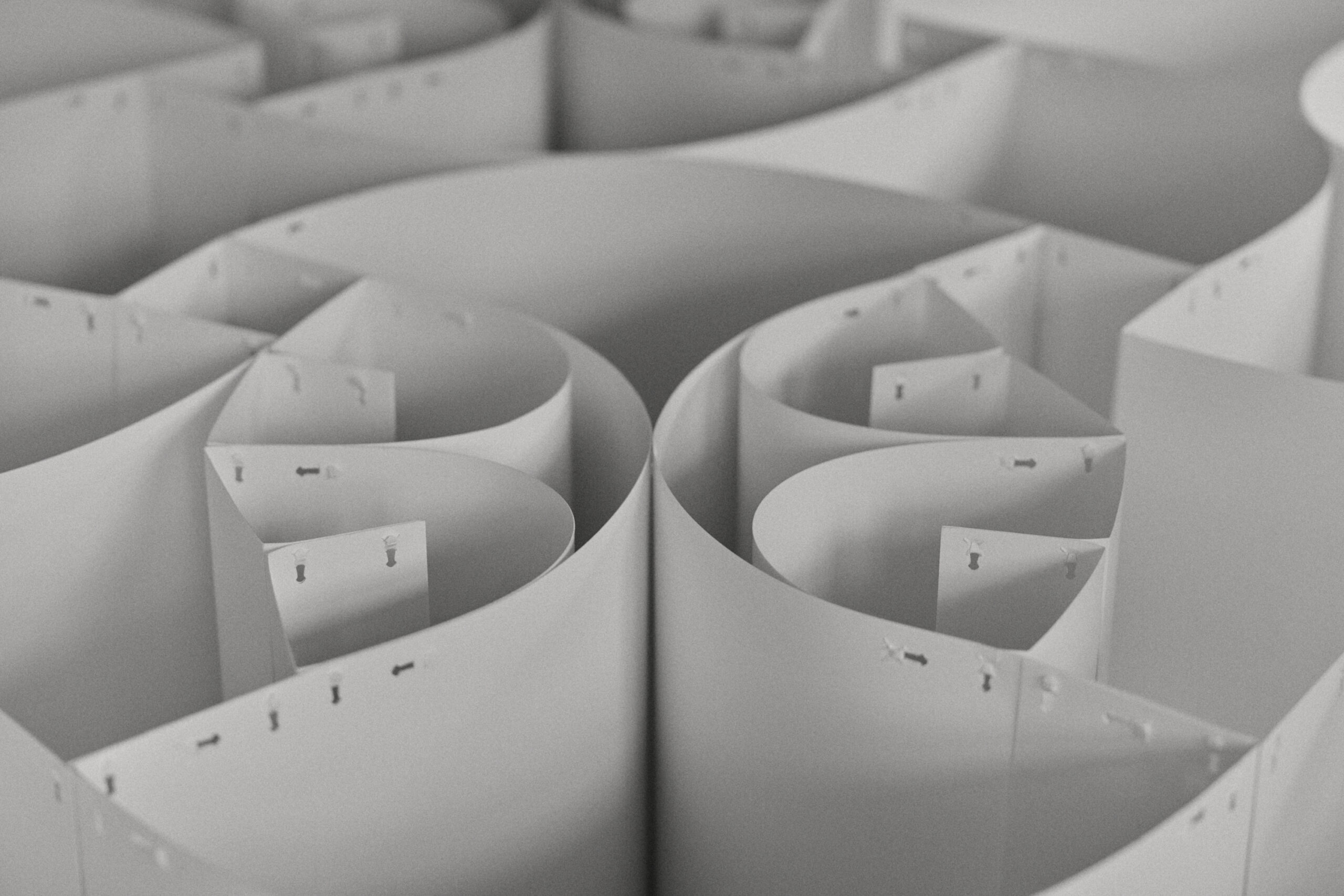
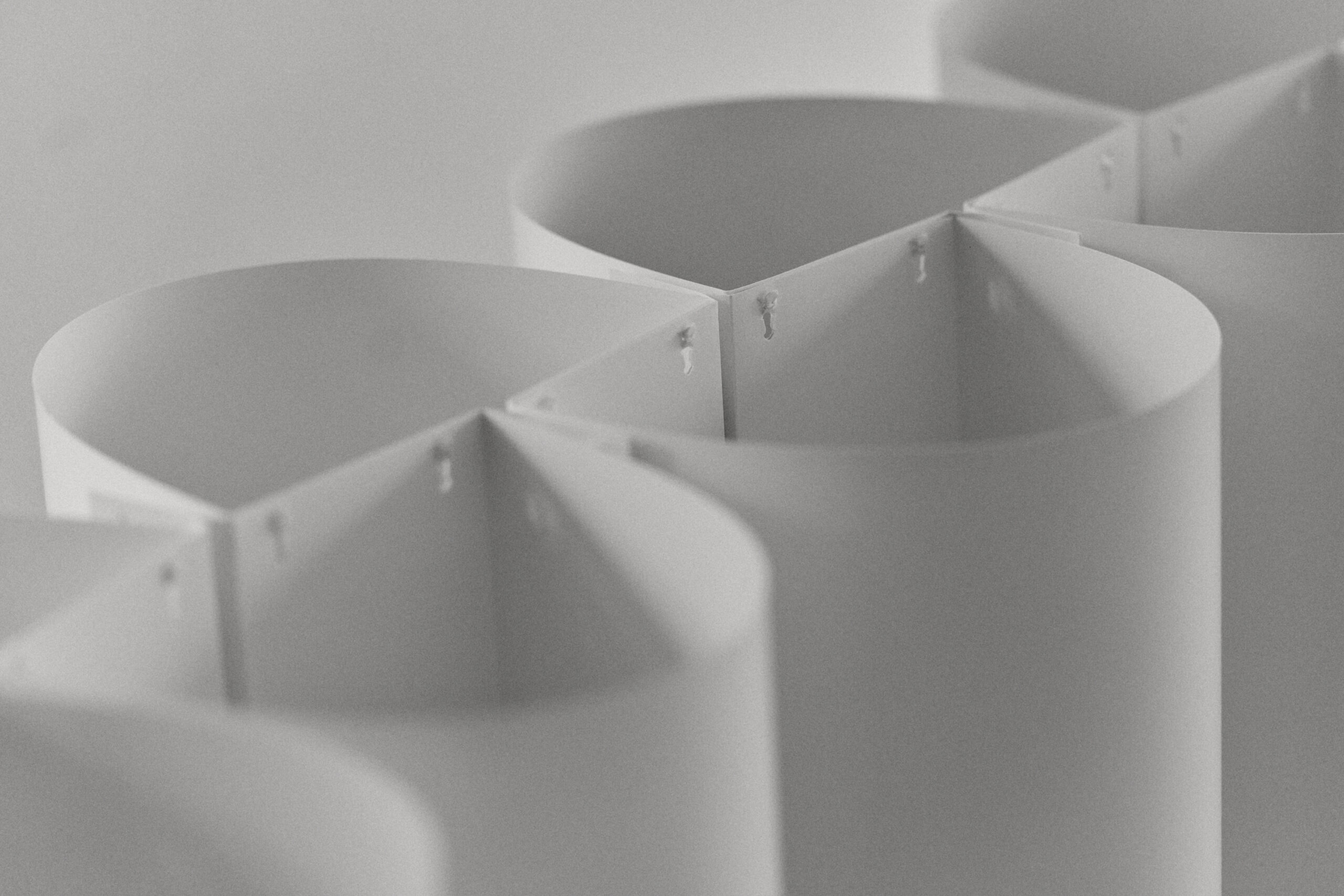
The «Aperitivo» table itself became one of the most remarkable elements of the programme, a space designed by Jorge Penadés to host the conversations. Built entirely from paper using a stapleless stapling technique, the installation transformed the museum space into a large meeting structure articulated around a shared table, reinforcing the human and conversational dimension of the project. Tables, supports and ephemeral surfaces conceived through the constructive and handcrafted logic of the material impressed the World Design Capital Frankfurt RheinMain 2026 team itself, which has even considered the possibility of keeping the installation on display for a longer period.
Because that was precisely what «Aperitivo» became: a space before the final result. A moment to activate conversations, connections and exchanges around Spanish design in one of the leading international stages of contemporary design.
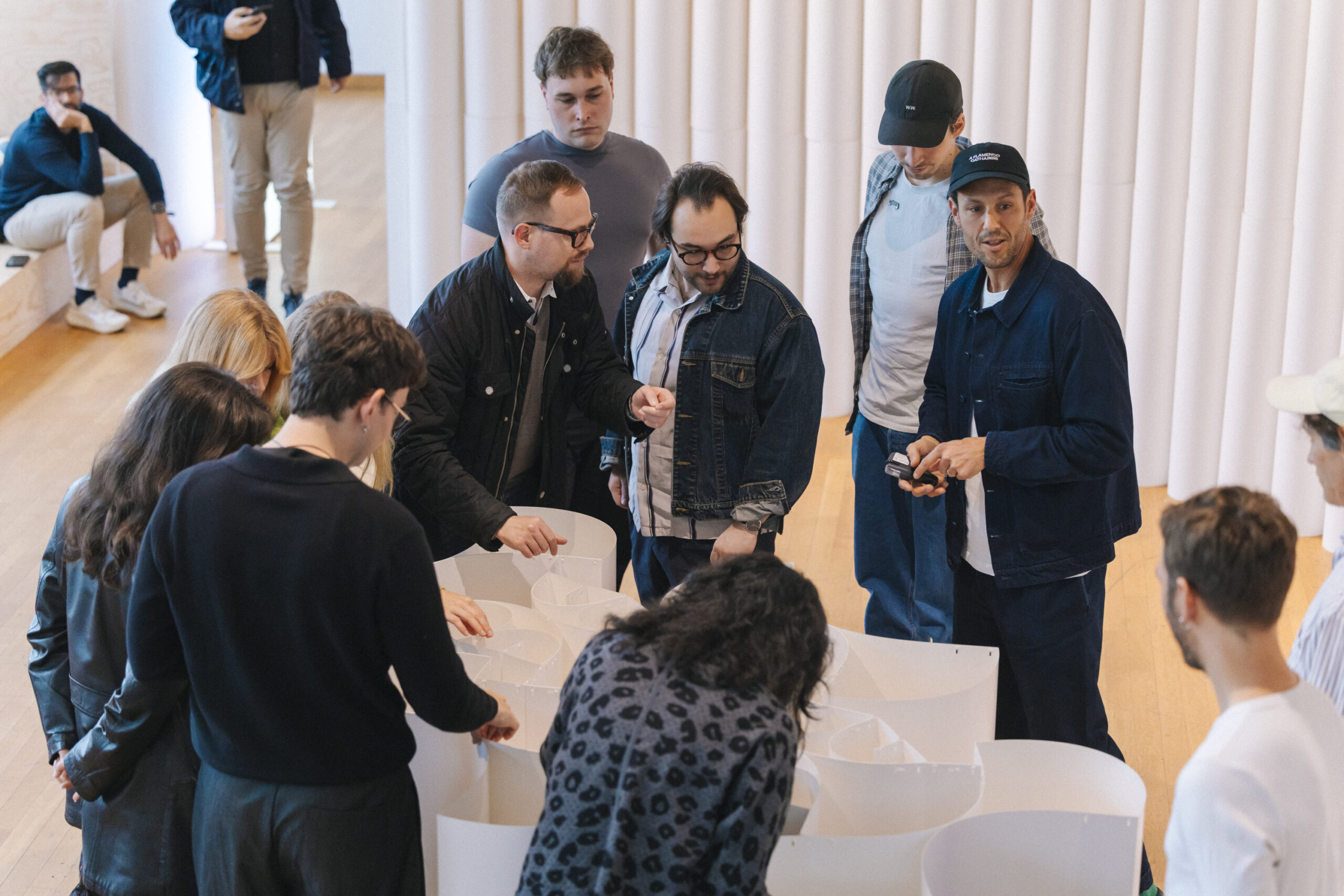
«Aperitivo: Spanish Design in Conversation» also demonstrated how design can act as a tool for cultural diplomacy, the creation of international networks and the strategic positioning of Spanish creativity within highly relevant European contexts, consolidating new opportunities for collaboration between institutions, companies, professionals and international cultural ecosystems.
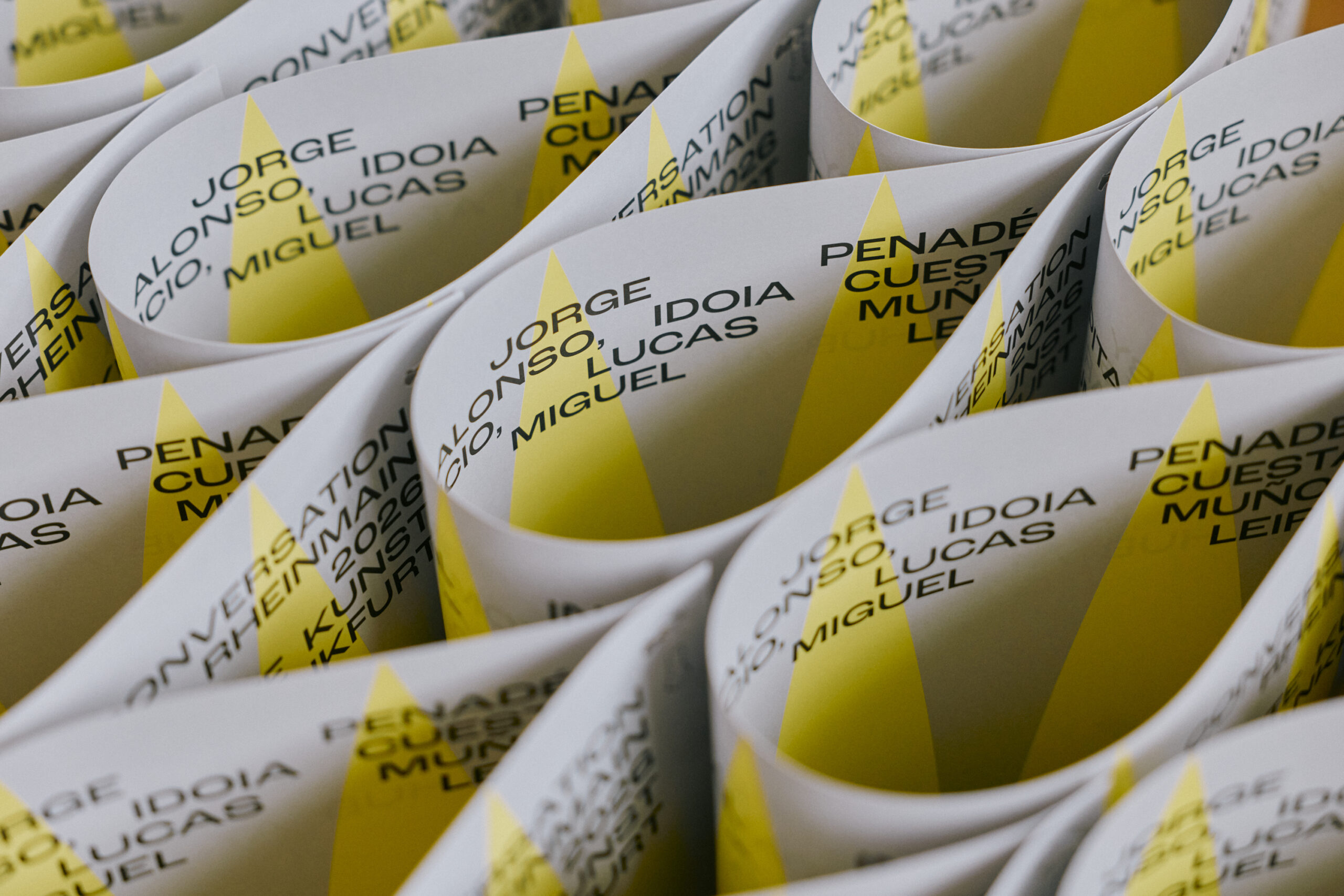
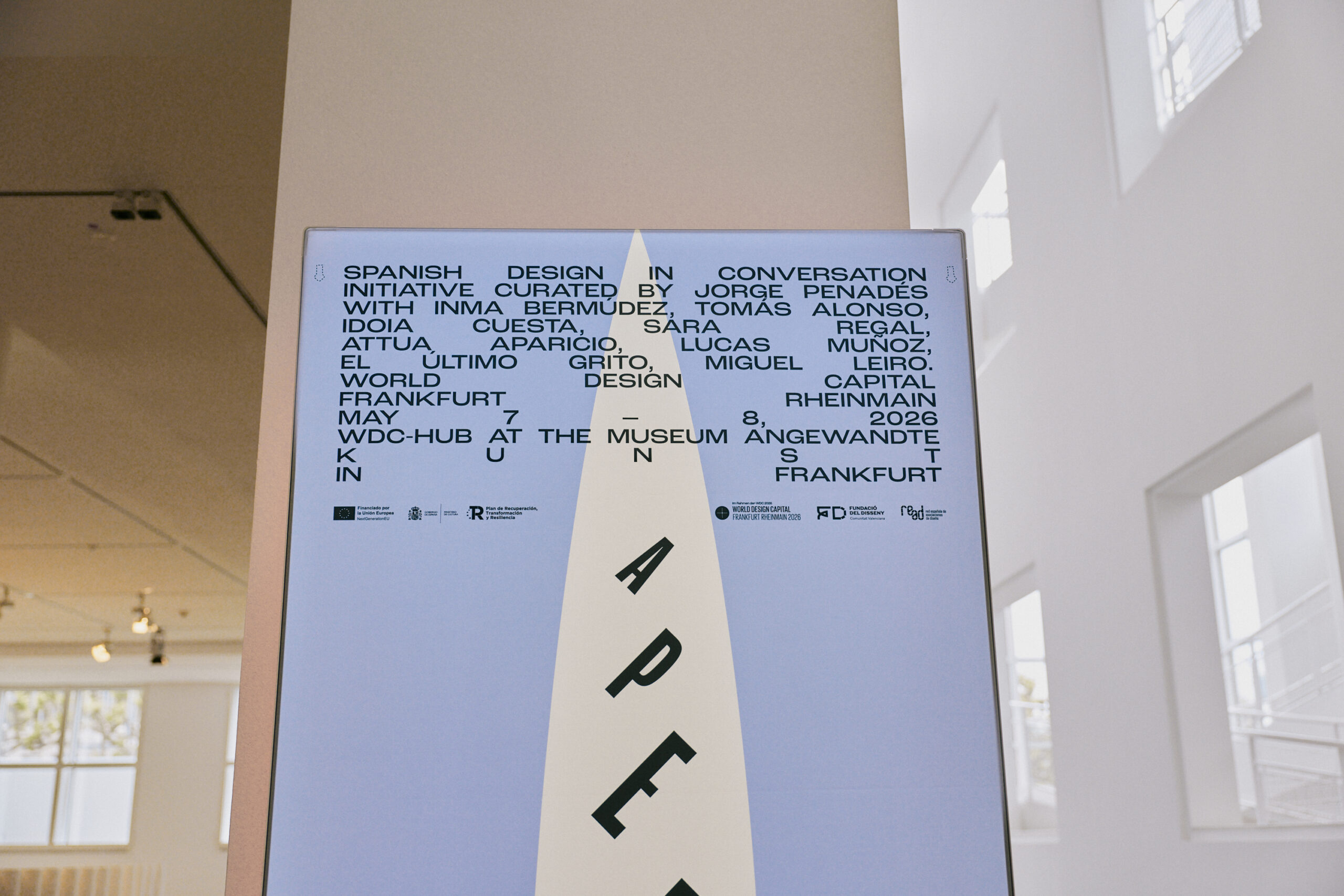
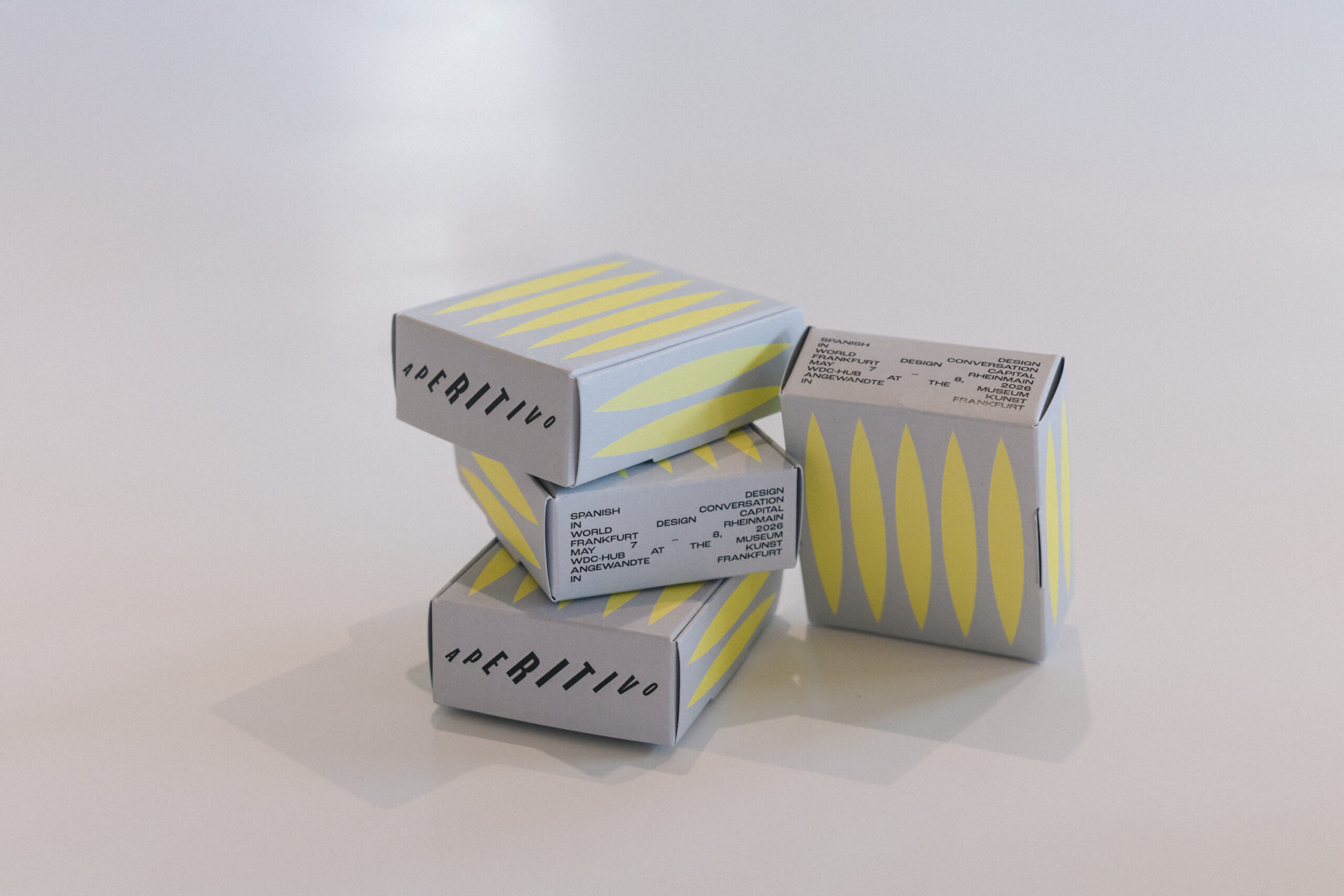
The project was also supported by a powerful visual identity developed by the Murcia-based studio Rubio & del Amo, which, through the abstraction of the cocktail stick as a small element associated with the imagery of the Spanish aperitivo, created a contemporary graphic and audiovisual universe that accompanied the entire communication of the initiative and reinforced its approachable, conceptual and participatory character.
Through this initiative and its innovative format, the Ministry of Culture of the Government of Spain, through the Cultural Industries Coordination Centre, together with the Design Foundation of the Region of Valencia and READ, are consolidating a new pathway for international collaboration to continue positioning Spanish design and creative talent at a particularly significant moment for the sector, reinforcing the continuity between Valencia 2022 and Frankfurt 2026 as two connected milestones within the global ecosystem of contemporary design.
«Aperitivo: Spanish Design in Conversation» is part of a strategy for the internationalisation of Spanish design, aligned with the objectives of cultural and creative positioning within the European context, and forms part of the actions funded by the Recovery, Transformation and Resilience Plan – Next Generation EU.
